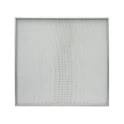
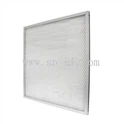
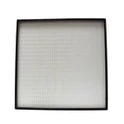
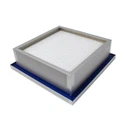
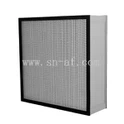
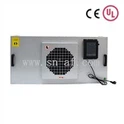
As a supplier of Pleating HEPA Air Filters, I often get asked a really common question: "Can I clean a pleating HEPA air filter instead of replacing it?" Well, let's dive right into this topic and sort out the ins and outs.
First off, we need to understand what a HEPA filter is. HEPA stands for High - Efficiency Particulate Air. A pleating HEPA air filter is designed to trap a high percentage of tiny particles, such as dust, pollen, smoke, and even some bacteria and viruses. It works through a combination of拦截 mechanisms in a way that it can catch particles as small as 0.3 microns with an efficiency of 99.97% or higher.
Now, the idea of cleaning an air filter to make it last longer is totally understandable. After all, replacing filters regularly can get expensive. But when it comes to pleating HEPA air filters, it's not as straightforward as you might think.
The Case Against Cleaning
Structural Damage
Pleating HEPA filters have a very delicate structure. The pleats are designed to increase the surface area of the filter, allowing for more efficient filtration. When you try to clean it, especially using forceful methods like high - pressure water or a strong vacuum, the pleats can get damaged. Once the pleats are distorted, the airflow through the filter can be disrupted, which affects its filtration efficiency. For example, if the pleats collapse in some areas, the air might bypass the filter in those spots, reducing the overall effectiveness of the filter.
Fiber Damage
The fibers in a HEPA filter are the key to its particle - trapping ability. These fibers are fine and can be easily broken or damaged during the cleaning process. If the fibers break, they won't be able to capture particles as effectively as before. And once the fibers are damaged, there's no way to repair them, which means the filter's performance will be permanently reduced.
Contamination Risks
When you clean a HEPA filter, there's a risk of re - introducing contaminants back into the filter. For instance, if you use tap water to clean the filter, the water might contain minerals or other impurities. These contaminants can get trapped in the filter, and when the filter is back in use, they can be released into the air, causing more harm than good.
The Case for Cleaning (with Caution)
Lightly Soiled Filters
If your pleating HEPA air filter is only lightly soiled, you might be able to give it a gentle cleaning. For example, if you've been using the filter in a relatively clean environment, like a well - maintained office with good air circulation, and it's only been in use for a short period, you could try a very gentle cleaning method. One option is to use a soft brush attachment on your vacuum cleaner. Gently brush the surface of the filter to remove loose dust. This can help to extend the life of the filter a little bit, but it's important to do this very carefully to avoid damaging the filter.
Initial Findings from Some Experiments
Some studies have shown that under very controlled conditions, certain types of gentle cleaning methods might not cause significant damage to the filter. However, these are very specific scenarios, and the results can't be generalized to all pleating HEPA filters.
How Different Cleaning Methods Affect Pleating HEPA Filters
Dry Vacuuming
As mentioned earlier, dry vacuuming with a soft brush attachment is one of the less - invasive cleaning methods. But again, it should be done gently. You don't want to press the brush too hard against the filter, as this can still cause damage to the pleats and fibers. Just run the brush lightly over the surface to pick up loose particles.
Washing with Water
Washing a pleating HEPA filter with water is generally a bad idea. Water can cause the fibers to clump together, which reduces the filter's ability to trap particles. Also, once the filter gets wet, it can take a long time to dry completely. And if it's not dried properly, it can become a breeding ground for mold and bacteria.
Alternatives to Cleaning
If cleaning a pleating HEPA filter isn't the best option, what can you do? Well, the simplest solution is to replace the filter regularly. Most manufacturers recommend replacing HEPA filters every 6 to 12 months, depending on the usage and the environment.
We offer a variety of high - quality pleating HEPA air filters, including Household Type HEPA Filter Made in China, Disposable Diffusers, and Pharmaceutical Filtration Mini - Pleat HEPA Filter. These filters are designed to provide excellent filtration performance and are built to last.
When to Replace Your Filter
There are a few signs that it's time to replace your pleating HEPA air filter. If you notice that the air quality in your space has deteriorated, that could be a sign. Another sign is if the airflow from your air - handling system has decreased. This could mean that the filter is clogged and is impeding the flow of air. If you see visible dirt or debris on the filter, especially if it's caked on, it's definitely time for a replacement.
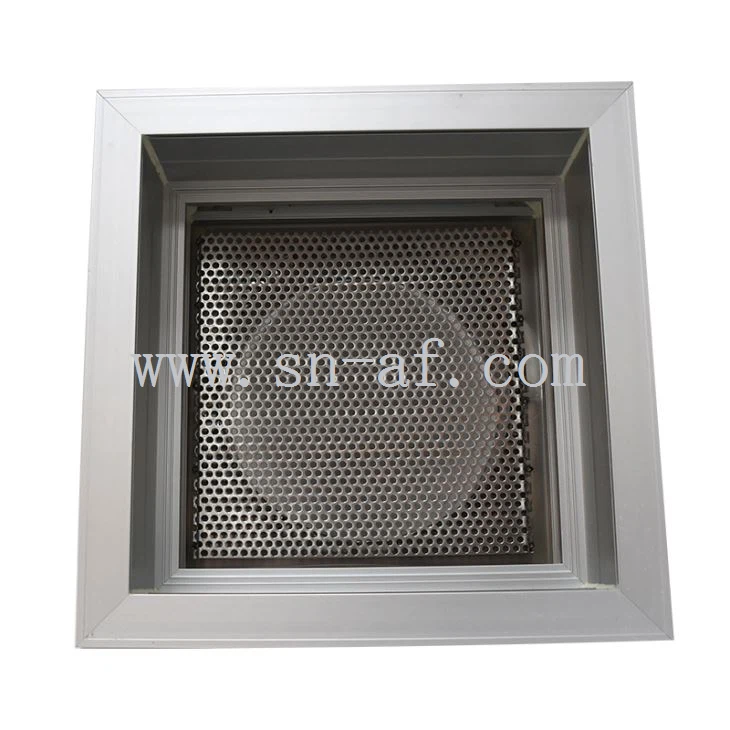

In Conclusion
So, can you clean a pleating HEPA air filter instead of replacing it? In most cases, it's not recommended. The risks of damaging the filter and reducing its performance are too high. However, if your filter is only lightly soiled, you can try a very gentle dry - cleaning method with extreme caution.
If you're in the market for high - quality pleating HEPA air filters, we're here to help. Whether you need a filter for your home, office, or pharmaceutical facility, we have a wide range of options to meet your needs. If you're interested in our products, feel free to reach out for more information and start the procurement discussion.
References
- "HEPA Filter Technology and Applications" by Air Filtration Research Group.
- "Effect of Cleaning Methods on HEPA Filter Performance" in Journal of Indoor Air Quality.