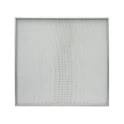
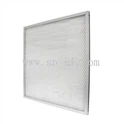
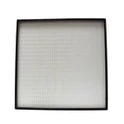
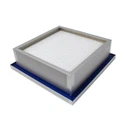
How often should industrial filters be replaced? This is a question that many industrial facility managers and operators often grapple with. As an industrial filter supplier, I've encountered this query numerous times from our clients across various industries. The frequency of industrial filter replacement is not a one - size - fits - all answer; it depends on multiple factors that we'll explore in this blog.
Factors Affecting Filter Replacement Frequency
1. Type of Filter
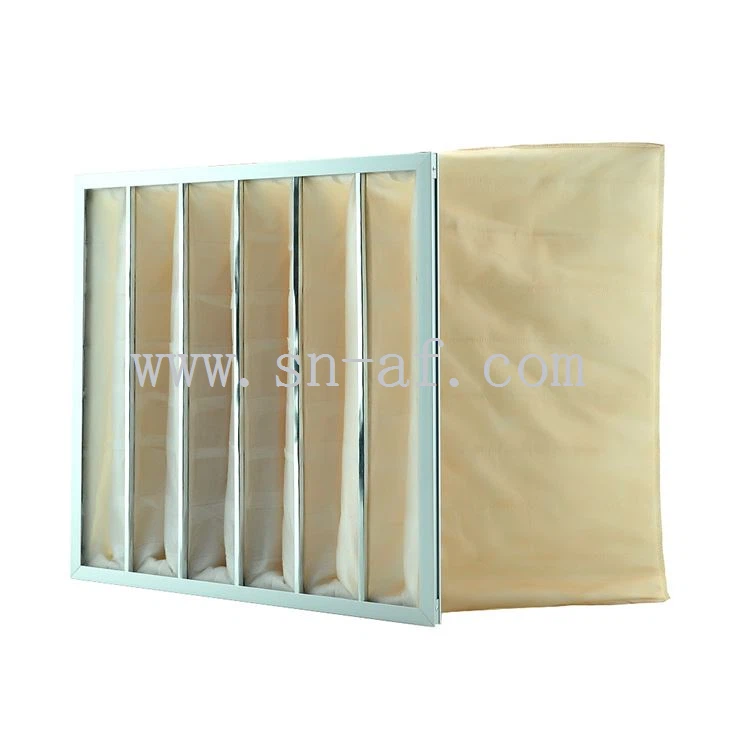
Different types of filters have different lifespans. For instance, Glass Fiber Bag Air Filter for Condition is commonly used in air - handling systems. These filters are designed to capture a wide range of particulate matter. They are relatively durable but can clog over time. Typically, in a moderately dirty environment, they may need to be replaced every 3 - 6 months.
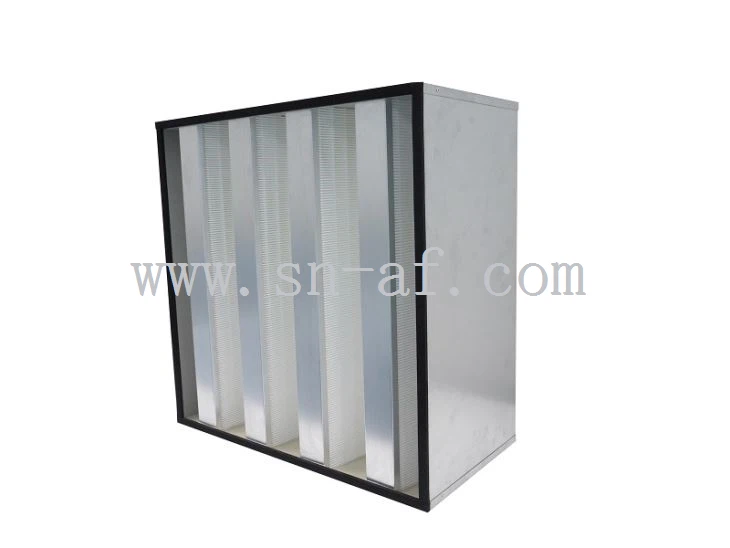
On the other hand, V - Compact Filter is known for its high - efficiency filtration in a compact design. These filters are often used in applications where space is limited and high - performance filtration is required. Due to their advanced design and materials, they can last longer than some other types of filters. In a clean industrial environment, they might only need replacement every 6 - 12 months.
High Capacity Pleated Panel Filter is another popular choice. With its large surface area for filtration, it can hold a significant amount of contaminants. In a light - dust environment, it could potentially go 4 - 8 months before replacement, but in a heavy - dust area, the replacement interval may be reduced to 1 - 3 months.
2. Contaminant Load
The amount and type of contaminants in the air or fluid that the filter is treating play a crucial role in determining replacement frequency. In industries such as mining, construction, or manufacturing plants where there is a high volume of dust, dirt, and debris in the air, filters will clog much faster. For example, in a mining operation, filters may need to be replaced weekly or even more frequently if the dust concentration is extremely high.
In contrast, in a pharmaceutical or electronics manufacturing cleanroom, where the air quality is strictly controlled, the contaminant load is very low. Filters in these environments can last much longer, sometimes up to a year or more.
3. Operating Conditions
The operating conditions of the industrial equipment also impact filter life. High - temperature environments can cause the filter media to degrade more quickly. For example, in a foundry where there are extreme heat sources, the filters may need to be replaced more often due to the thermal stress on the filter material.
Similarly, high - humidity conditions can cause moisture to accumulate in the filter, leading to mold growth and reduced filtration efficiency. In areas with high humidity, such as food processing plants near water sources, filters may require more frequent replacement to prevent these issues.
4. Flow Rate
The flow rate of the air or fluid passing through the filter is another important factor. A higher flow rate means that more contaminants are being forced through the filter in a given period. This can cause the filter to clog faster. For example, in a large - scale ventilation system with a high airflow rate, the filters may need to be replaced more frequently compared to a system with a lower flow rate.
Monitoring and Determining Replacement Time
1. Pressure Drop Monitoring
One of the most common methods for determining when to replace an industrial filter is by monitoring the pressure drop across the filter. As the filter accumulates contaminants, the pressure drop increases. When the pressure drop reaches a certain pre - determined level, it indicates that the filter is clogged and needs to be replaced.
Most industrial filter systems are equipped with pressure gauges to measure this pressure drop. By regularly checking these gauges and comparing the readings to the manufacturer's recommended pressure drop limits, operators can accurately determine when it's time to change the filter.
2. Visual Inspection
Visual inspection is also a simple yet effective way to assess the condition of a filter. By physically examining the filter, operators can look for signs of clogging, damage, or excessive dirt accumulation. If the filter appears to be visibly dirty or damaged, it's a clear indication that replacement is necessary.
3. Performance Monitoring
Monitoring the performance of the equipment that the filter is part of can also provide clues about filter replacement. For example, if an air - handling unit starts to experience reduced airflow or if the quality of the air in a room deteriorates, it could be a sign that the filter is no longer functioning effectively and needs to be replaced.
Importance of Timely Filter Replacement
1. Maintaining Equipment Efficiency
A clogged or dirty filter restricts the flow of air or fluid, which can cause the equipment to work harder. This leads to increased energy consumption and can also reduce the lifespan of the equipment. For example, in an HVAC system, a dirty filter can cause the blower motor to overwork, resulting in higher electricity bills and potential motor failure.
2. Ensuring Product Quality
In industries where product quality is directly related to air or fluid quality, such as food and beverage, pharmaceuticals, and electronics manufacturing, a properly functioning filter is essential. A dirty filter can allow contaminants to pass through, which can contaminate the products and lead to quality issues and production losses.
3. Protecting Worker Health
In industrial workplaces, filters are often used to remove harmful contaminants from the air. If these filters are not replaced in a timely manner, workers may be exposed to pollutants such as dust, chemicals, and microorganisms, which can have serious health consequences.
Conclusion
In conclusion, the frequency of industrial filter replacement is a complex issue that depends on multiple factors including the type of filter, contaminant load, operating conditions, and flow rate. By carefully considering these factors and implementing proper monitoring methods, industrial facility managers can ensure that filters are replaced at the optimal time.
As an industrial filter supplier, we understand the importance of providing high - quality filters and accurate advice on replacement intervals. If you're facing challenges in determining the right replacement schedule for your industrial filters or are interested in our range of filters, including Glass Fiber Bag Air Filter for Condition, V - Compact Filter, and High Capacity Pleated Panel Filter, please feel free to reach out to us for a consultation. We're here to help you optimize your filtration system and ensure the smooth operation of your industrial processes.
References
- ASHRAE (American Society of Heating, Refrigerating and Air - Conditioning Engineers) Handbook on HVAC Systems and Equipment.
- Industrial Filtration Handbook by Peter A. Schweitzer.
- Manufacturer's technical documentation for various industrial filter products.