Can Gel Seal HEPA Filter be used in a kitchen?
As a supplier of Gel Seal HEPA Filters, I often get asked whether these filters can be used in a kitchen environment. This is a valid question considering the unique conditions and challenges that kitchens present. In this blog post, I'll explore the feasibility of using Gel Seal HEPA Filters in kitchens, looking at the technology behind these filters, the requirements of a kitchen setting, and the potential benefits and drawbacks.
Understanding Gel Seal HEPA Filters
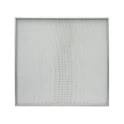
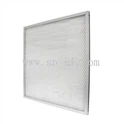
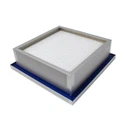
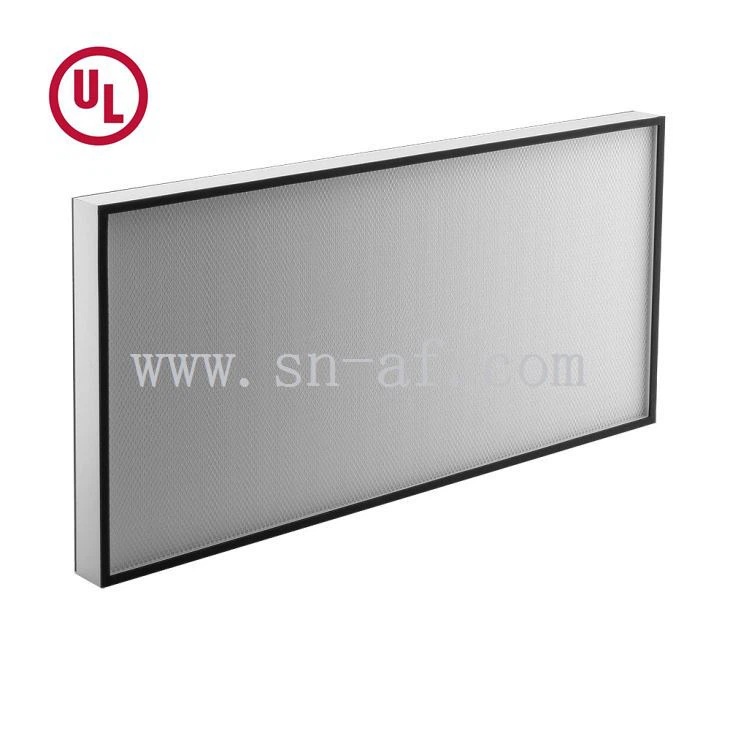
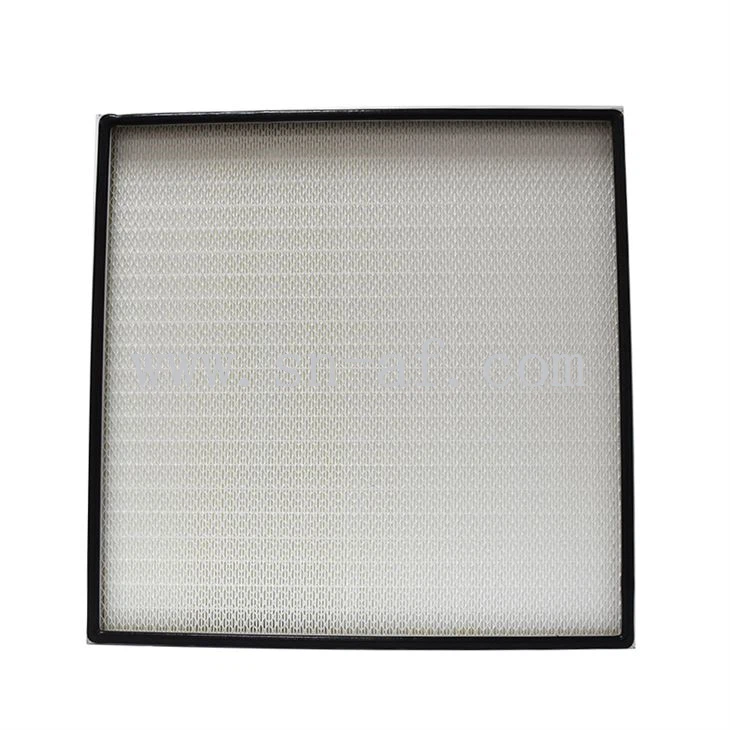
HEPA, which stands for High-Efficiency Particulate Air, filters are designed to trap extremely small particles. A Gel Seal HEPA Filter is a specific type of HEPA filter that uses a gel sealant to ensure a tight and leak - free fit between the filter media and the frame. This gel seal technology provides superior sealing compared to traditional methods, reducing the chances of unfiltered air bypassing the filter.
The Gel Seal HEPA Filter is capable of capturing at least 99.97% of particles that are 0.3 microns in size. This high level of efficiency makes it suitable for applications where clean air is of utmost importance, such as in hospitals, laboratories, and cleanrooms. The filter media is typically made of fine glass fibers arranged in a dense matrix that allows air to pass through while trapping particles.
Kitchen Environment Requirements
Kitchens are dynamic environments with a variety of air quality challenges. Cooking processes generate a range of pollutants, including smoke, grease, steam, and food odors. These pollutants can not only affect the indoor air quality but also cause damage to appliances, furniture, and walls over time.
In addition to the pollutants generated during cooking, kitchens also need to maintain a certain level of ventilation to prevent the build - up of heat and moisture. The ventilation system in a kitchen is responsible for removing the cooking by - products and bringing in fresh air. Therefore, any air filter used in a kitchen needs to be able to handle these specific pollutants and work effectively within the existing ventilation system.
Advantages of Using Gel Seal HEPA Filters in Kitchens
- Particle Filtration: The high - efficiency particulate removal capability of Gel Seal HEPA Filters means that they can effectively capture smoke particles, dust, and other fine particulate matter generated during cooking. This helps to improve the indoor air quality in the kitchen, reducing the risk of respiratory problems for the occupants.
- Tight Seal: The gel seal technology ensures that there is minimal leakage of unfiltered air. This is particularly important in a kitchen where even a small amount of bypassed air can carry pollutants throughout the room.
- Compatibility: Gel Seal HEPA Filters can be designed to fit various ventilation systems. Whether it's a range hood or a central kitchen ventilation system, these filters can be customized to meet the specific requirements of the kitchen.
Challenges and Limitations
- Grease and Oil Resistance: One of the major challenges of using Gel Seal HEPA Filters in kitchens is the presence of grease and oil. Grease can clog the filter media, reducing its efficiency and lifespan. Unlike in a laboratory or a hospital setting where the pollutants are mainly fine particles, kitchens have a high concentration of sticky substances that can coat the filter.
- Moisture: Steam and moisture are common in kitchens, especially during cooking. Excessive moisture can cause the filter media to become saturated, leading to mold growth and a decrease in filtration performance.
- Cost: Gel Seal HEPA Filters are generally more expensive than standard kitchen air filters. The initial investment and the cost of replacement filters need to be considered when deciding whether to use them in a kitchen.
Alternatives to Gel Seal HEPA Filters in Kitchens
If the challenges of using Gel Seal HEPA Filters in a kitchen are too significant, there are alternative options available. For example, Separator HEPA Filter is a type of HEPA filter that may be more suitable in some cases. It is designed with separators between the pleats, which can help in handling a certain amount of grease and moisture.
Another option is the H11 Mini - Pleat Filter. H11 filters have a slightly lower efficiency compared to H14 filters but are more cost - effective and may be better at handling the harsh kitchen environment. The mini - pleat design provides a large surface area for filtration, which can increase the filter's lifespan.
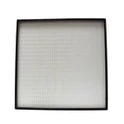
The H14 Mini - Pleat HEPA Filter offers a high level of filtration efficiency similar to Gel Seal HEPA Filters. However, like Gel Seal filters, it may also face challenges in dealing with grease and moisture in the kitchen.
Conclusion
In conclusion, while Gel Seal HEPA Filters have the potential to improve the air quality in a kitchen, there are several factors to consider before implementing them. The high - efficiency particulate filtration and tight seal make them an attractive option, but the challenges of grease and moisture resistance and the higher cost need to be weighed against the benefits.
Depending on the specific needs of the kitchen, alternative filters such as Separator HEPA Filters, H11 Mini - Pleat Filters, or H14 Mini - Pleat HEPA Filters may be more suitable. It's important to conduct a thorough assessment of the kitchen environment, including the type of cooking, ventilation system, and budget, before making a decision.
If you're interested in exploring the use of Gel Seal HEPA Filters or any of our other filter products for your kitchen, I encourage you to reach out for a detailed discussion. Our team of experts can help you select the most appropriate filter based on your specific requirements and provide guidance on installation and maintenance. Contact us to start the procurement process and let us help you create a cleaner and healthier kitchen environment.
References
- "High - Efficiency Particulate Air (HEPA) Filters: Principles and Applications" - A technical guide on HEPA filter technology.
- "Kitchen Ventilation: Design and Performance" - A research paper on the requirements and challenges of kitchen ventilation systems.
- "Air Filtration in Harsh Environments" - A study on the performance of air filters in challenging environments such as kitchens.