When it comes to air filtration systems, V - Bank Filters are a popular choice in a wide range of industries due to their high - efficiency and durability. One of the most critical parameters to understand when dealing with these filters is the pressure drop across them. As a V - Bank Filter supplier, I'm here to provide you with a comprehensive understanding of this important concept.
What is Pressure Drop?
Pressure drop, in the context of a V - Bank Filter, refers to the difference in air pressure between the upstream (inlet) and downstream (outlet) sides of the filter. It is typically measured in units of inches of water column (in. WC) or pascals (Pa). This pressure difference occurs because as air passes through the filter media, the fibers and pleats of the filter create resistance to the airflow. The air has to overcome this resistance, resulting in a decrease in pressure from the inlet to the outlet.
The pressure drop is a crucial factor as it directly impacts the energy consumption of the air handling system. A higher pressure drop means that the fan or blower in the system has to work harder to push the air through the filter. This increased workload leads to higher energy costs over time, making it essential to manage the pressure drop effectively.
Factors Affecting Pressure Drop Across a V - Bank Filter
1. Filter Media
The type and quality of the filter media play a significant role in determining the pressure drop. Different filter media materials have varying pore sizes, fiber densities, and surface characteristics. For example, a filter with a denser media will generally have a higher initial pressure drop because the air has to pass through smaller and more numerous pores, encountering more resistance. On the other hand, a less dense media may have a lower initial pressure drop but might also have a lower filtration efficiency.
2. Filter Design
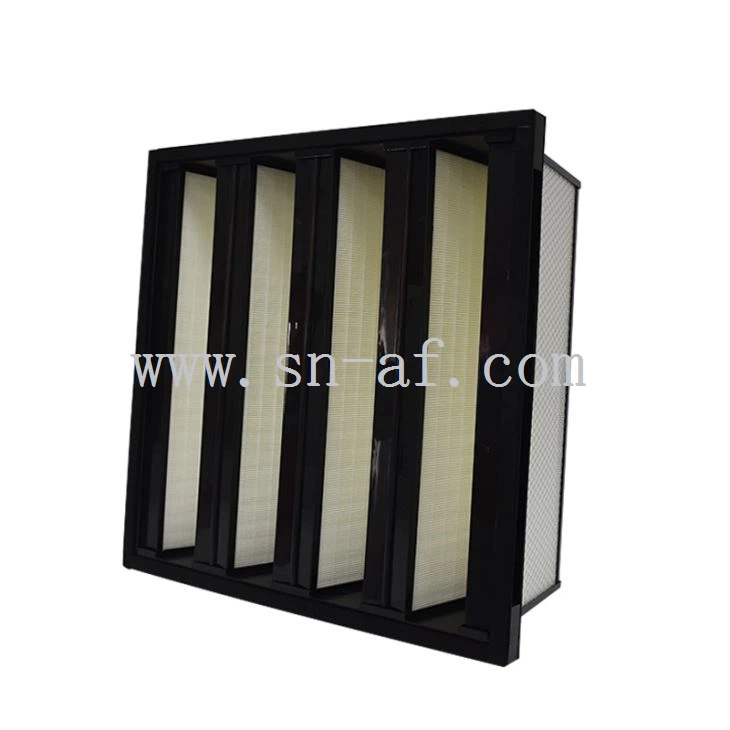
The V - Bank design is specifically engineered to provide a large filtration area in a compact space. The number of pleats, the pleat height, and the spacing between the pleats all affect the pressure drop. A filter with a greater number of pleats or smaller pleat spacing will have a larger surface area for filtration. While this can increase the filter's dust - holding capacity, it can also lead to a higher pressure drop, especially as the filter begins to load with dust and debris.

3. Airflow Velocity
The speed at which air passes through the filter, known as the airflow velocity, has a direct impact on the pressure drop. As the airflow velocity increases, the pressure drop also increases. This is because at higher velocities, the air molecules collide more frequently with the filter media, creating more resistance. In air handling systems, it is important to design the system to operate within an optimal airflow velocity range to balance filtration efficiency and pressure drop.
4. Dust Loading
Over time, the filter accumulates dust, dirt, and other particles from the air. As the dust load on the filter increases, the pressure drop across the filter also rises. This is because the dust fills the pores in the filter media, further restricting the airflow. Eventually, the pressure drop will reach a point where it is no longer feasible to operate the system efficiently, and the filter will need to be replaced.
Measuring Pressure Drop
To measure the pressure drop across a V - Bank Filter, pressure sensors are typically installed on both the upstream and downstream sides of the filter. These sensors can be connected to a pressure gauge or a monitoring system that provides real - time readings of the pressure difference. By regularly monitoring the pressure drop, facility managers can track the performance of the filter and determine when it needs to be replaced.
In some cases, a differential pressure switch can be used to automatically trigger an alarm when the pressure drop reaches a pre - set limit. This is a valuable feature as it helps prevent system inefficiencies and potential damage caused by excessive pressure drop.
Importance of Managing Pressure Drop
As mentioned earlier, managing the pressure drop is essential for the efficient operation of an air handling system. High pressure drop not only increases energy costs but can also lead to reduced airflow in the system. This can result in poor indoor air quality, uncomfortable working conditions, and potential damage to equipment.
By choosing the right V - Bank Filter and properly maintaining it, you can keep the pressure drop within an acceptable range. Regular filter inspections and replacements are crucial to ensure that the filter continues to function optimally. When replacing filters, it is important to select a filter with the appropriate filtration efficiency and pressure drop characteristics for your specific application.
Our V - Bank Filter Products
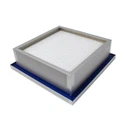
As a V - Bank Filter supplier, we offer a wide range of high - quality filters to meet the diverse needs of our customers. Our Mini Pleat V - Bank Filter is a popular choice for many applications. This filter features a unique mini - pleat design that provides a large surface area for filtration, resulting in high dust - holding capacity and low initial pressure drop.
The pleats are evenly spaced and securely bonded to ensure consistent performance over time. The filter media is made of high - quality materials that offer excellent filtration efficiency, removing a wide range of airborne particles, including dust, pollen, and smoke.
We also provide customized solutions to meet your specific requirements. Whether you need a filter with a particular size, filtration efficiency, or pressure drop rating, our team of experts can work with you to design and manufacture the perfect filter for your system.
Contact Us for Purchasing
If you are in the market for V - Bank Filters and want to learn more about our products or discuss your specific needs, we encourage you to contact us. Our sales team is ready to assist you with any questions you may have and guide you through the purchasing process. We are committed to providing the highest quality products and excellent customer service. Don't hesitate to reach out and start a conversation about how our V - Bank Filters can improve the performance and efficiency of your air handling system.
References
- "Air Filtration Handbook", Third Edition, by Klaus W. Bartz
- ASHRAE Handbook - HVAC Systems and Equipment
- "Filtration Technology: Principles and Practic", Second Edition, by Andre J. Grandjean