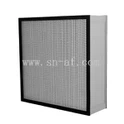
Microbial resistance is a crucial factor when considering the performance and suitability of filters, especially in environments where maintaining a sterile or low - microbial environment is of utmost importance. As a PTFE filter supplier, I am often asked about the microbial resistance of PTFE filters. This article aims to shed light on this topic by exploring the underlying principles, the factors influencing microbial resistance, and its practical implications.
What is PTFE and Its General Properties
PTFE, or polytetrafluoroethylene, is a synthetic fluoropolymer of tetrafluoroethylene. It is well - known for its excellent chemical resistance, low coefficient of friction, high melting point, and good dielectric properties. These features make it an attractive material for a variety of applications, including filtration. PTFE has a very regular molecular structure, which contributes to its unique physical and chemical properties. The strong carbon - fluorine bonds in PTFE are highly stable, making it resistant to a wide range of chemicals, solvents, and extreme temperatures.
In filtration applications, PTFE can be used in different forms, such as membranes and fibers. PTFE membranes are microporous, with pores of a well - defined size. This allows the filter to be designed to retain particles of a specific size while allowing the passage of fluids or gases. The porosity and pore size distribution of PTFE filters play a key role in determining their filtration efficiency and microbial resistance.
Microbial Resistance of PTFE Filters
1. Physical Barrier
One of the primary ways that PTFE filters exhibit microbial resistance is through their physical structure. The pores in PTFE membranes can be precisely engineered to be smaller than the size of most microorganisms. For example, bacteria typically range in size from about 0.2 to 2 micrometers, while viruses can be even smaller, often in the range of 0.02 to 0.3 micrometers. By manufacturing PTFE filters with pore sizes smaller than these microorganisms, the filter acts as a physical barrier, preventing the passage of bacteria, fungi, and viruses.
When a fluid or gas containing microorganisms passes through the PTFE filter, the microorganisms become trapped on the surface of the filter or within its pores. This sieving mechanism is effective in removing a large percentage of the microbial load, especially in applications where the filter is used as a final barrier in a multi - stage filtration system.
2. Chemical Inertness
PTFE's chemical inertness also contributes to its microbial resistance. Microorganisms require a suitable environment with specific nutrients and conditions to survive and grow. PTFE does not support the growth of microorganisms because it is chemically stable and does not provide a source of nutrients. Unlike some other filter materials that may have organic components that can be degraded by microorganisms, PTFE is resistant to microbial attack. It does not react with most common biological molecules, enzymes, or metabolites produced by microorganisms, which means that microbial growth and biofilm formation on the filter surface are minimized.

Factors Influencing Microbial Resistance of PTFE Filters
1. Pore Size and Distribution
The pore size and its uniformity are critical factors in determining the microbial resistance of PTFE filters. A smaller pore size generally results in higher microbial removal efficiency. However, if the pore size is too small, it can lead to increased pressure drop across the filter, reducing the flow rate and potentially increasing the energy consumption required to operate the filtration system. Additionally, a narrow pore size distribution is beneficial because it ensures that all the pores in the filter are of a similar size, providing consistent filtration performance.
2. Surface Characteristics
The surface characteristics of PTFE filters, such as surface energy and roughness, can also influence microbial resistance. A low - surface - energy surface, which is typical of PTFE, reduces the adhesion of microorganisms. Microorganisms are less likely to attach to a smooth, low - surface - energy surface compared to a rough or high - surface - energy one. This reduced adhesion helps to prevent the formation of biofilms, which can clog the filter and reduce its efficiency over time.
3. Operating Conditions
The operating conditions, including temperature, pressure, and the chemical composition of the fluid or gas being filtered, can have an impact on the microbial resistance of PTFE filters. Higher temperatures can sometimes affect the physical properties of the PTFE material, potentially altering the pore structure and reducing the filter's integrity. Similarly, high pressures can cause deformation of the filter, leading to changes in pore size and distribution. The presence of certain chemicals in the fluid or gas may also interact with the PTFE filter, although PTFE's high chemical resistance generally means that this is less of a concern compared to other filter materials.
Practical Implications of Microbial Resistance of PTFE Filters
1. Medical and Pharmaceutical Applications
In medical and pharmaceutical industries, maintaining a sterile environment is essential to prevent contamination of drugs, medical devices, and surgical equipment. PTFE filters are widely used in these applications because of their high microbial resistance. For example, they are used in the filtration of pharmaceutical solutions, ventilation systems in clean rooms, and in the production of sterile water. PTFE Filter Clean Room is a product that specifically caters to the requirements of clean - room environments, providing reliable microbial filtration.
2. Food and Beverage Industry
In the food and beverage industry, PTFE filters are used to remove microorganisms from liquids such as juices, beer, and milk. This helps to extend the shelf - life of products and prevent spoilage. The microbial resistance of PTFE ensures that the final products are free from harmful bacteria and fungi, meeting the strict quality and safety standards of the industry.
3. Environmental Monitoring and Remediation
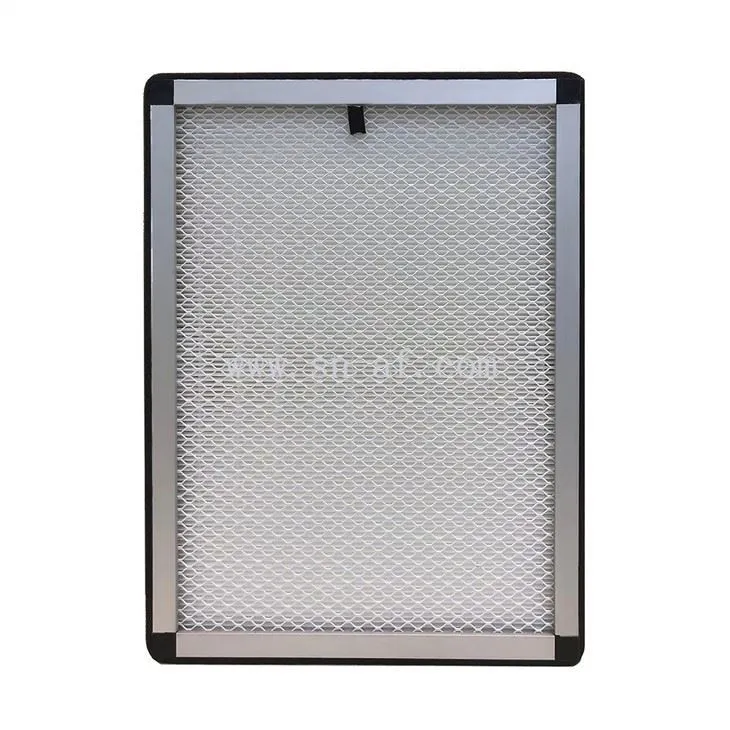
PTFE filters are also used in environmental monitoring and remediation applications. They can be used to sample air or water for the presence of microorganisms, and in some cases, to remove microbes from polluted air or water. For example, EPTFE Pleated HEPA Air Purifier Filter is an excellent choice for air purification systems, which can effectively remove airborne microorganisms and improve indoor air quality.
Conclusion
The microbial resistance of PTFE filters is a result of their unique physical and chemical properties. Their ability to act as a physical barrier and their chemical inertness make them highly effective in removing microorganisms and preventing their growth on the filter surface. However, the microbial resistance of PTFE filters can be influenced by factors such as pore size, surface characteristics, and operating conditions.
As a PTFE filter supplier, we understand the importance of these factors and strive to produce high - quality filters that meet the specific requirements of our customers in different industries. If you are interested in our PTFE filters for your specific application and want to discuss the details further, including how to optimize the microbial resistance for your particular needs, please feel free to contact us for a purchasing negotiation.
References
- Domsch, H. K., Gams, W., & Anderson, T. H. (1993). Compendium of Soil Fungi.
- Fenner, R. N., & White, D. O. (1993). Medical Microbiology.
- AAAS (American Association for the Advancement of Science). (1998). Engineering Materials Properties and Performance.