What is the lifespan of an industrial filter?
As a supplier of industrial filters, I often encounter customers asking about the lifespan of these crucial components. Understanding the lifespan of an industrial filter is essential for efficient operation, cost - effectiveness, and maintaining high - quality air or fluid purification in industrial settings.
Factors Affecting the Lifespan of Industrial Filters
1. Type of Filter
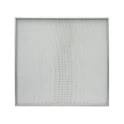
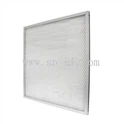
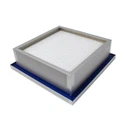
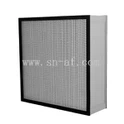
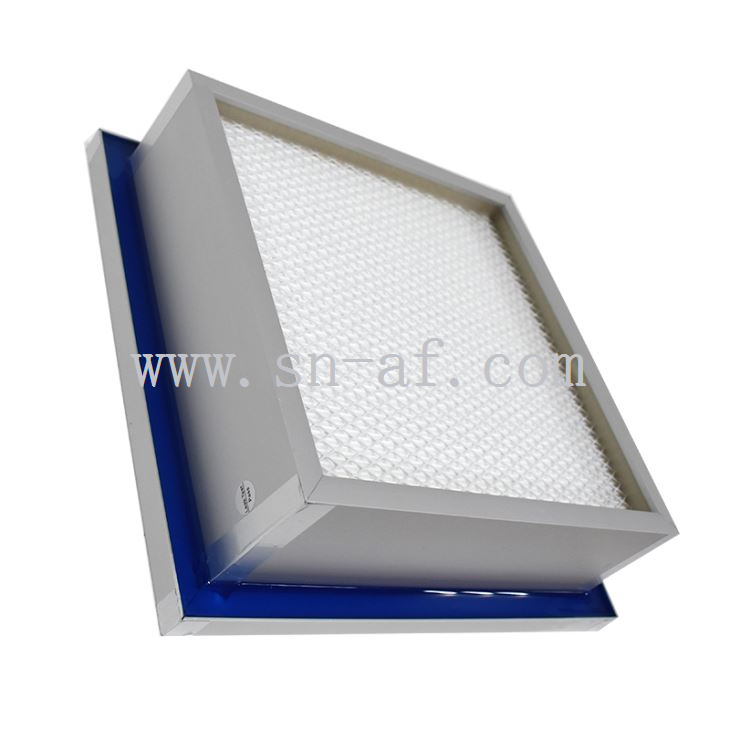
There are various types of industrial filters, such as particulate filters, activated carbon filters, and HEPA (High - Efficiency Particulate Air) filters. Each type has a different lifespan based on its design and function. For example, HEPA filters are designed to capture extremely small particles and are often used in cleanrooms, hospitals, and pharmaceutical manufacturing. The Gel Seal HEPA Filter for Side Tank and Gel Seal HEPA Filter for Top Tank are specifically engineered for certain industrial applications. These HEPA filters typically have a relatively long lifespan if used under normal conditions, but their performance can degrade over time due to particle accumulation.
On the other hand, activated carbon filters are used to adsorb gases and odors. Their lifespan is mainly determined by the amount and type of contaminants they are exposed to. Once the carbon is saturated with contaminants, its ability to adsorb further is significantly reduced, and the filter needs to be replaced.
2. Operating Conditions
The environment in which the industrial filter operates plays a major role in determining its lifespan. In a high - dust environment, particulate filters will become clogged more quickly. For instance, in a mining or construction site, where large amounts of dust are generated, the filters may need to be replaced more frequently compared to a clean office environment.
Temperature and humidity also affect filter lifespan. High temperatures can cause some filter materials to degrade, reducing their efficiency and durability. Excessive humidity can lead to the growth of mold and bacteria on the filter, which not only shortens the filter's lifespan but also poses a risk to the quality of the air or fluid being filtered.

3. Flow Rate
The flow rate of the air or fluid passing through the filter is another important factor. A high flow rate means that more contaminants are being forced through the filter in a given period. This can cause the filter to become clogged faster, especially if the filter is not designed to handle high - flow applications. For example, in a large - scale ventilation system with a high airflow rate, the filters may need to be replaced more often than in a smaller, low - flow system.

Typical Lifespans of Different Industrial Filters
1. Particulate Filters
Particulate filters are commonly used to remove dust, dirt, and other solid particles from air or fluids. In a relatively clean environment with a low dust concentration, such as an office building, a particulate filter may last from 3 to 6 months. However, in industrial settings with high dust levels, such as a woodworking shop or a metal fabrication plant, the lifespan of a particulate filter can be as short as 1 to 2 months.
2. HEPA Filters
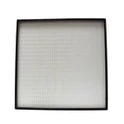
HEPA filters are known for their high efficiency in capturing small particles. In a well - maintained cleanroom environment, a HEPA filter can last anywhere from 1 to 3 years. The HVAC Gel Seal HEPA Filter for Pharmaceutical is designed for use in pharmaceutical manufacturing facilities, where strict air quality standards are required. These filters are built to last longer due to their high - quality construction and the relatively clean operating conditions in such facilities. However, if the filter is exposed to high levels of contaminants or if there are sudden spikes in particle concentration, its lifespan may be reduced.
3. Activated Carbon Filters
The lifespan of activated carbon filters depends on the type and concentration of the contaminants they are removing. In a typical indoor air purification system where the main contaminants are common household odors, an activated carbon filter may last from 3 to 6 months. In industrial applications where there are high concentrations of volatile organic compounds (VOCs) or other hazardous gases, the filter may need to be replaced every 1 to 3 months.

Monitoring and Extending the Lifespan of Industrial Filters
1. Monitoring
Regular monitoring of the filter's performance is crucial for determining when it needs to be replaced. This can be done through various methods, such as pressure drop measurement. As a filter becomes clogged, the pressure drop across the filter increases. By monitoring the pressure drop, operators can detect when the filter is approaching the end of its useful life.
Visual inspection is also important. Checking for signs of damage, such as tears or holes in the filter media, can help identify filters that need to be replaced immediately. Additionally, analyzing the concentration of contaminants in the air or fluid before and after the filter can provide valuable information about the filter's efficiency.
2. Maintenance
Proper maintenance can significantly extend the lifespan of industrial filters. This includes regular cleaning of pre - filters, which are used to remove larger particles before they reach the main filter. By keeping the pre - filters clean, the main filter is exposed to fewer contaminants, reducing the rate of clogging.
In some cases, filters can be cleaned and reused. However, this depends on the type of filter and the manufacturer's recommendations. For example, some particulate filters can be washed with water and mild detergent, while others may require specialized cleaning methods.
Importance of Knowing the Lifespan of Industrial Filters
1. Cost - Effectiveness
Knowing the lifespan of an industrial filter allows for better budgeting and cost management. By replacing filters at the appropriate time, companies can avoid premature replacement, which can be costly, as well as prevent using filters that are past their useful life, which can lead to reduced efficiency and increased energy consumption.
2. Product Quality
In industries such as food and beverage, pharmaceuticals, and electronics manufacturing, maintaining high - quality air or fluid purification is essential for product quality. Using filters that are at the end of their lifespan can result in the presence of contaminants in the production environment, which can affect the quality and safety of the products.
3. Equipment Protection
Industrial filters also play a role in protecting other equipment in the system. A clogged filter can cause increased pressure in the system, which can damage pumps, fans, and other components. By replacing filters in a timely manner, the risk of equipment damage is reduced, and the overall reliability of the system is improved.
Contact Us for Your Industrial Filter Needs
If you are in need of industrial filters or have questions about filter lifespan and maintenance, we are here to help. Our team of experts can provide you with detailed information about our products, including the Gel Seal HEPA Filter for Side Tank, Gel Seal HEPA Filter for Top Tank, and HVAC Gel Seal HEPA Filter for Pharmaceutical. We can assist you in selecting the right filter for your specific application and offer guidance on how to maximize its lifespan. Contact us today to start a discussion about your industrial filter requirements.
References
- "Industrial Filtration Handbook" by Christopher D. Hodgson
- "Air Filtration: An Introduction for Industrial Hygienists" by Donald H. Willeke and Klaus Willeke