As a seasoned provider of industrial filters, I've witnessed firsthand the pivotal role that filter design plays in determining the performance of these essential components. In this blog, I'll delve into the various aspects of filter design and how they impact the overall performance of industrial filters.
Filtration Efficiency
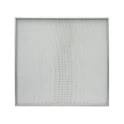
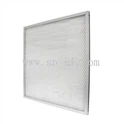
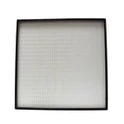
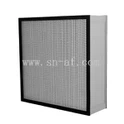
One of the primary goals of any industrial filter is to remove contaminants from a fluid or gas stream effectively. Filtration efficiency, measured as the percentage of particles removed from the medium, is a crucial performance metric. The design of the filter media significantly influences this efficiency. For instance, a Deep-pleated HEPA Air Filter is engineered with a large number of pleats, which increases the surface area available for filtration. This increased surface area allows the filter to capture more particles, thereby enhancing its filtration efficiency.
The pore size of the filter media is another critical factor. A smaller pore size can trap smaller particles, but it may also increase the pressure drop across the filter. Designers must strike a balance between pore size and pressure drop to optimize filtration efficiency. Advanced manufacturing techniques, such as electrospinning, can be used to create filter media with precisely controlled pore sizes, resulting in higher filtration efficiency.
Pressure Drop
Pressure drop refers to the difference in pressure between the inlet and outlet of a filter. It is an important consideration because excessive pressure drop can lead to increased energy consumption and reduced system performance. The design of the filter, including its shape, size, and the arrangement of the filter media, can have a significant impact on pressure drop.
A well-designed filter should minimize the resistance to fluid or gas flow while still maintaining high filtration efficiency. For example, a filter with a streamlined shape can reduce turbulence and pressure drop. Additionally, the spacing between pleats in a pleated filter can be optimized to ensure uniform flow distribution and minimize pressure drop. Pocket Air Filter Performance is often optimized through careful design to achieve a balance between filtration efficiency and pressure drop.
Dust Holding Capacity
Dust holding capacity is the amount of dust or contaminants that a filter can hold before it needs to be replaced or cleaned. A filter with a high dust holding capacity can operate for longer periods between maintenance intervals, reducing downtime and operating costs. The design of the filter media and the overall filter structure can influence dust holding capacity.
Filters with a large surface area, such as pleated filters, generally have a higher dust holding capacity because they can capture more dust. The porosity of the filter media also plays a role. A more porous media can hold more dust without significantly increasing the pressure drop. Some advanced filter designs incorporate features such as multi-layered media or gradient density structures to enhance dust holding capacity.
Chemical Compatibility
In many industrial applications, filters come into contact with various chemicals, solvents, and corrosive substances. The design of the filter must ensure chemical compatibility to prevent degradation and maintain performance over time. The choice of filter media and housing materials is crucial in this regard.
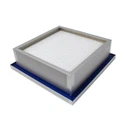
For example, in applications where the filter is exposed to acidic or alkaline substances, a filter media made of a chemically resistant material, such as polypropylene or PTFE, may be required. The housing of the filter should also be made of a material that is resistant to corrosion. Proper sealing and gasketing are also important to prevent chemical leakage and ensure the integrity of the filter. Gel Seal HEPA Filter for Side Tank is designed with a gel seal to provide a tight and reliable seal, which is especially important in applications where chemical compatibility is a concern.
Temperature and Humidity Resistance
Industrial filters may be exposed to a wide range of temperatures and humidity levels. The design of the filter must take these environmental factors into account to ensure reliable performance. High temperatures can cause the filter media to shrink, melt, or degrade, while high humidity can lead to the growth of mold and bacteria.
Filter media and housing materials should be selected based on their ability to withstand the expected temperature and humidity conditions. For example, in high-temperature applications, a filter media made of a heat-resistant material, such as ceramic or metal, may be used. In humid environments, a filter with a hydrophobic media or a moisture-resistant coating can prevent the growth of mold and bacteria.
Longevity and Durability
The longevity and durability of an industrial filter are important factors that affect its overall cost-effectiveness. A well-designed filter should be able to withstand the rigors of continuous operation and harsh environmental conditions without significant degradation. The choice of materials, manufacturing processes, and the overall design of the filter all contribute to its longevity and durability.
For example, filters with a strong and robust housing are less likely to be damaged during handling and installation. The use of high-quality filter media and proper bonding techniques can ensure that the filter media remains intact and performs effectively over an extended period. Regular maintenance and replacement of worn-out components can also help to extend the life of the filter.
Impact on System Performance
The performance of an industrial filter can have a significant impact on the overall performance of the system in which it is installed. A poorly designed filter can lead to reduced system efficiency, increased energy consumption, and premature failure of other components. On the other hand, a well-designed filter can improve system performance, reduce operating costs, and enhance the reliability of the entire system.
For example, in an air filtration system, a high-efficiency filter can remove more contaminants from the air, which can improve indoor air quality and reduce the risk of health problems for occupants. In a liquid filtration system, a filter with a high dust holding capacity can reduce the frequency of filter replacements, which can save time and money.
Conclusion
In conclusion, the design of an industrial filter has a profound impact on its performance in terms of filtration efficiency, pressure drop, dust holding capacity, chemical compatibility, temperature and humidity resistance, longevity, and durability. As an industrial filter supplier, we understand the importance of these factors and strive to design and manufacture filters that meet the specific needs of our customers.
If you're looking for high-quality industrial filters that are designed to deliver superior performance, we invite you to contact us to discuss your requirements. Our team of experts can help you select the right filter for your application and provide you with professional advice and support. Let's work together to ensure the optimal performance of your industrial filtration system.


References
- "Industrial Filtration Handbook" by Klaus L. Altmeyer
- "Filtration and Separation" journal
- Various industry standards and guidelines related to industrial filtration