Hey there! As a supplier of V - Bank Filters, I'm super excited to walk you through the process of installing a V - Bank Filter. Whether you're a DIY enthusiast or a professional in the HVAC field, this guide will help you get the job done right.
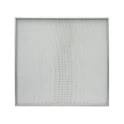
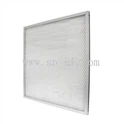
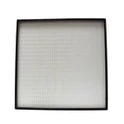
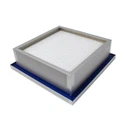
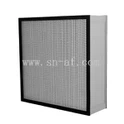
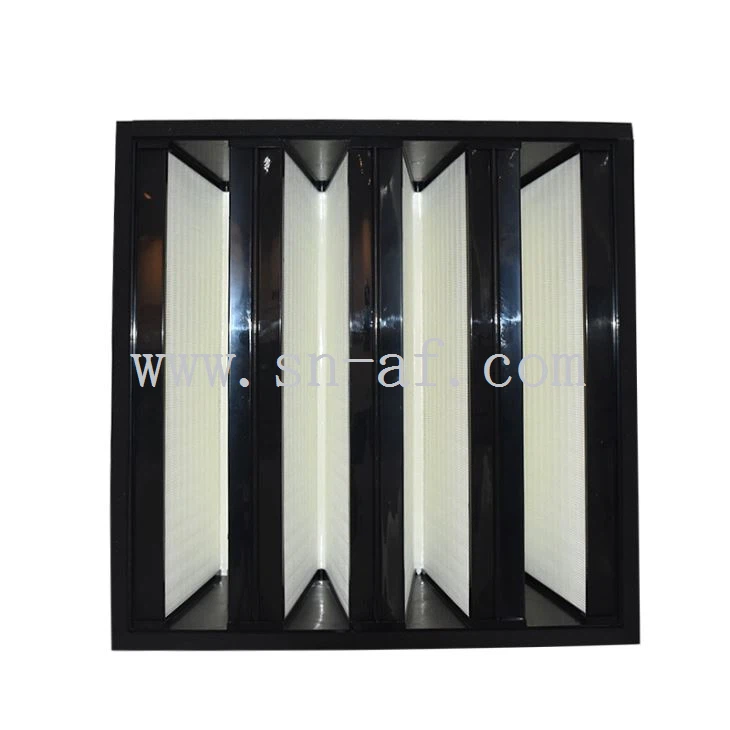
First off, let's talk a bit about what a V - Bank Filter is. A V - Bank Filter is a type of air filter that's designed to capture a large amount of airborne particles. It has a unique V - shaped design that provides a large surface area for filtration, which means it can trap more dust, pollen, and other contaminants compared to some other filter types. One popular variant is the Mini Pleat V - Bank Filter, which offers even more efficient filtration due to its mini pleat design.
Pre - installation Preparation
Before you start the installation process, you need to make sure you have all the necessary tools and materials. Here's a quick checklist:
- The V - Bank Filter itself. Make sure you've got the right size and model for your system. Double - check the dimensions and specifications to avoid any issues later on.
- Safety gear. This includes gloves and safety glasses. You don't want to get any dust or debris in your eyes or on your hands during the installation.
- A ladder or a stable platform if the filter is located in a high place. Safety first, folks!
- A screwdriver or other appropriate tools for removing the old filter and installing the new one. The type of tool will depend on how your filter housing is secured.
Once you've gathered all your tools and materials, it's time to assess the installation site. Take a good look at the filter housing. Check for any signs of damage, rust, or debris. If there's a lot of dirt in the housing, it's a good idea to clean it out before installing the new filter. You can use a vacuum cleaner or a soft brush to remove the dust.
Removing the Old Filter
Now, let's get down to business and remove the old filter. First, turn off the HVAC system. This is crucial for your safety and to prevent any damage to the system. Once the system is off, locate the filter housing. It's usually in a duct or near the air handler.
If the housing is secured with screws, use your screwdriver to remove them. Be careful not to lose the screws. You can keep them in a small container or a magnetic tray. Once the screws are out, gently open the housing. Some housings may have a latch or a clip instead of screws, so you'll need to release those accordingly.
Once the housing is open, carefully take out the old filter. Notice the direction of the airflow arrows on the old filter. This is important because you'll need to install the new filter in the same direction. Dispose of the old filter properly. If it's a disposable filter, you can just throw it in the trash. If it's a reusable filter, you may want to clean it and keep it as a backup.
Installing the New V - Bank Filter
Now that the old filter is out, it's time to install the new V - Bank Filter. First, check the new filter for any damage. Look for any holes, tears, or loose parts. If you notice any issues, contact your supplier right away.
Next, align the new filter with the housing. Make sure the airflow arrows on the filter match the direction of the airflow in the system. This is super important because if the filter is installed backwards, it won't work effectively and could even cause damage to the HVAC system.
Gently slide the filter into the housing. It should fit snugly, but don't force it. If it doesn't fit, double - check the size and make sure you've got the right filter. Once the filter is in place, secure the housing. If you removed screws earlier, put them back in and tighten them. If it's a latch or clip, make sure it's properly closed.
Post - installation Checks
After installing the new filter, it's time to do some checks. First, turn on the HVAC system. Listen for any unusual noises. If you hear rattling or other strange sounds, it could mean the filter isn't installed correctly or there's something else wrong with the system.
Check the airflow. You should feel a steady stream of air coming from the vents. If the airflow seems weak, it could be a sign that the filter is clogged or installed incorrectly. Also, check the air quality. You should notice an improvement in the air quality in the room. If you still smell odors or notice a lot of dust, it might be a good idea to check the filter again.
Troubleshooting
Even if you follow all the steps correctly, you might run into some issues. Here are some common problems and how to solve them:
- Filter doesn't fit: Double - check the size of the filter and the housing. Make sure you ordered the right filter. If the housing is damaged, you may need to replace it.
- Airflow is weak: Check if the filter is clogged. If it is, you may need to replace it sooner than expected. Also, check for any blockages in the ducts.
- Strange noises: Turn off the system and check if the filter is properly installed. Make sure there are no loose parts or if the filter is hitting the housing.
Maintenance Tips
To keep your V - Bank Filter working effectively, regular maintenance is key. Here are some tips:

- Check the filter regularly. Depending on the environment and usage, you may need to check it every 1 - 3 months.
- Replace the filter when it's dirty. A dirty filter can reduce the efficiency of your HVAC system and increase energy costs.
- Keep the filter housing clean. This will help prevent debris from getting into the filter and affecting its performance.
Why Choose Our V - Bank Filters
As a supplier, I can tell you that our V - Bank Filters are top - notch. We use high - quality materials to ensure long - lasting performance. Our filters are designed to meet the highest industry standards, so you can trust that they'll do a great job of filtering the air in your space. And if you're looking for an even more efficient option, the Mini Pleat V - Bank Filter is a great choice.
Contact Us for Purchase and Consultation
If you're interested in purchasing our V - Bank Filters or have any questions about the installation process, don't hesitate to reach out. We're here to help you make the right choice for your HVAC system. Whether you're a small business owner or a homeowner, we've got the perfect filter solution for you.
References
- HVAC Installation Handbook
- Air Filter Manufacturer's Guide
So there you have it, folks! A complete guide on how to install a V - Bank Filter. I hope this blog post has been helpful to you. If you have any more questions, feel free to ask. Happy filtering!