Hey there! As a PTFE filter supplier, I've been getting a lot of questions lately about how the thickness of PTFE filters affects their performance. So, I thought I'd sit down and write this blog to share some insights on this topic.
First off, let's talk a bit about what PTFE filters are. PTFE, or polytetrafluoroethylene, is a synthetic fluoropolymer. It's known for its excellent chemical resistance, low friction, and high-temperature tolerance. These properties make PTFE filters a top choice in many industries, from air purification to chemical processing.
Now, onto the main question: how does thickness come into play? Well, the thickness of a PTFE filter can have a significant impact on several key performance aspects.
Filtration Efficiency
One of the most important factors in any filter is its filtration efficiency. This refers to the filter's ability to capture particles of a certain size. Generally speaking, a thicker PTFE filter tends to have higher filtration efficiency.
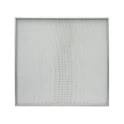
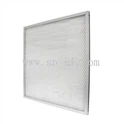
Think of it like a net. A thicker net has more layers and a smaller mesh size, which means it can catch smaller particles. In the case of PTFE filters, a thicker filter has more material for particles to get trapped in. This is especially important in applications where you need to remove fine particles, like in a EPTFE Pleated HEPA Air Purifier Filter. These filters are used in air purifiers to remove dust, pollen, and even some bacteria and viruses from the air. A thicker filter can do a better job of capturing these tiny particles, leading to cleaner air.
However, it's not all sunshine and rainbows. While a thicker filter can capture more particles, it also has its drawbacks. As the filter gets thicker, the pressure drop across the filter increases. Pressure drop is the difference in pressure between the inlet and the outlet of the filter. A higher pressure drop means that more energy is needed to push the fluid (whether it's air or a liquid) through the filter. This can lead to increased operating costs, especially in large-scale industrial applications.
Durability
Another aspect affected by the thickness of the PTFE filter is its durability. A thicker filter is generally more durable than a thinner one. It can withstand more wear and tear, which is crucial in applications where the filter is exposed to harsh conditions.
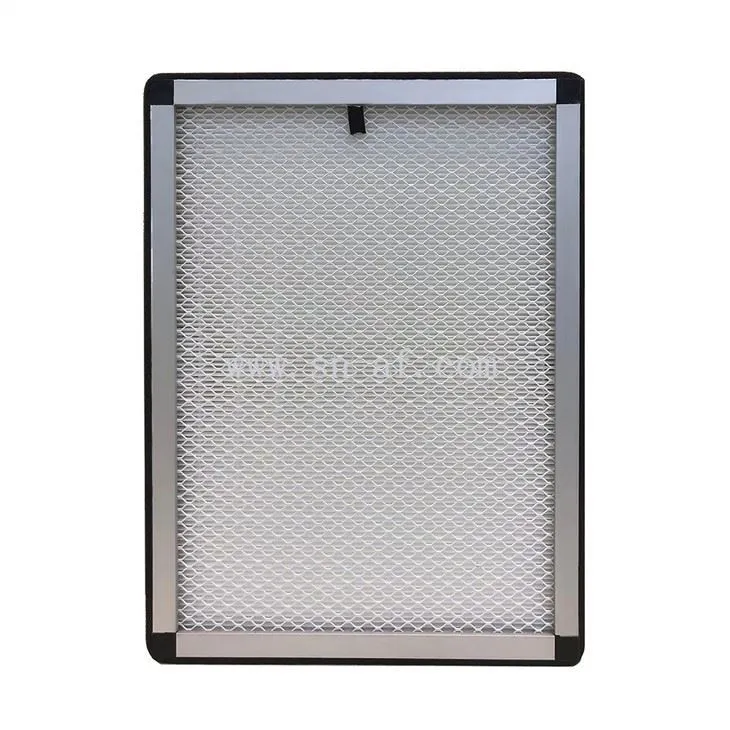
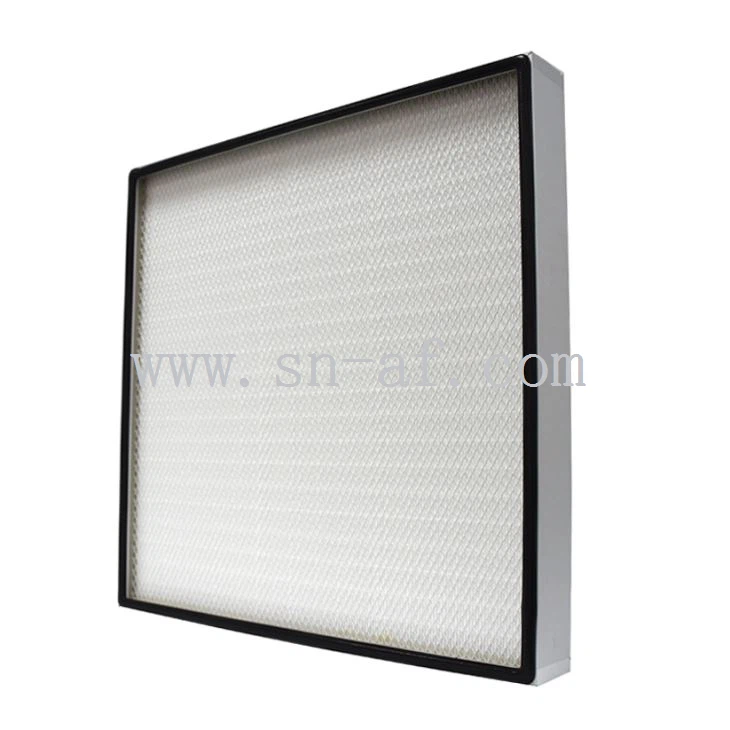
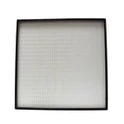
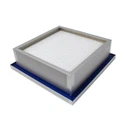
For example, in a PTFE Filter Clean Room, the filter needs to be able to maintain its performance over a long period of time. Clean rooms are used in industries like semiconductor manufacturing and pharmaceuticals, where even the smallest particle can cause problems. A thicker PTFE filter can resist damage from things like high airflow, chemical exposure, and mechanical stress. This means it won't need to be replaced as often, which can save you money in the long run.
But again, there's a trade-off. A thicker filter is also heavier and more expensive to manufacture. This can increase the initial cost of the filter, which might be a concern for some customers.
Flow Rate
Flow rate is another important consideration when it comes to PTFE filters. Flow rate refers to the volume of fluid that can pass through the filter per unit of time. As I mentioned earlier, a thicker filter has a higher pressure drop, which can reduce the flow rate.
In some applications, a high flow rate is essential. For example, in a water treatment plant, you need to be able to filter a large volume of water quickly. If the filter is too thick, it might not be able to handle the required flow rate, which can slow down the entire process.
On the other hand, in applications where a lower flow rate is acceptable, a thicker filter might be a better choice. For example, in a laboratory setting where you're filtering a small amount of a precious chemical, you might be more concerned with filtration efficiency and durability than with flow rate.
Choosing the Right Thickness
So, how do you choose the right thickness for your PTFE filter? Well, it depends on your specific application. Here are some things to consider:
- Particle Size: If you need to capture very fine particles, a thicker filter might be necessary. But if you're only dealing with larger particles, a thinner filter might be sufficient.
- Pressure Drop: Consider how much pressure drop your system can tolerate. If you have a high-pressure system, you might be able to use a thicker filter without too much of an issue. But if your system has a limited pressure capacity, a thinner filter might be a better choice.
- Durability Requirements: Think about the conditions your filter will be exposed to. If it will be in a harsh environment, a thicker filter will likely last longer.
- Flow Rate: Determine the required flow rate for your application. If you need a high flow rate, a thinner filter might be needed.
As a PTFE filter supplier, I'm here to help you make the right choice. We have a wide range of PTFE filters with different thicknesses, and we can work with you to find the one that best suits your needs. Whether you're looking for a filter for an air purifier or a large industrial process, we've got you covered.
If you're interested in learning more about our PTFE filters or have any questions about choosing the right thickness, don't hesitate to reach out. We're always happy to have a chat and help you find the perfect filter for your application. Contact us today to start the conversation and let's work together to find the best PTFE filter solution for you.
References
- "Handbook of Filter Media" by Klaus Koehler
- "Filtration and Separation" journal articles on PTFE filters