Hey there! As a supplier of primary filters, I've seen firsthand how these little components can make a big difference in humidifiers. So, let's dive into how a primary filter in a humidifier works.
What's a Primary Filter in a Humidifier?
First off, a primary filter in a humidifier is like the first line of defense for the air that goes through the machine. It's the initial stop where the air gets a basic cleaning before it gets all humidified and pumped out into the room. Think of it as a bouncer at a club, only letting the "good" air molecules in and keeping the bad stuff out.
The Basics of How It Works
The process starts when you turn on your humidifier. Air from the room gets sucked into the machine. This air can carry all sorts of things like dust, pollen, pet dander, and even some tiny bugs (yuck!). As the air enters the humidifier, it passes through the primary filter.
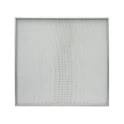
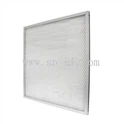
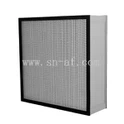
The primary filter is made up of a special material that's designed to trap these unwanted particles. The most common materials are synthetic fibers or metal meshes. The fibers or meshes create a maze-like structure that the air has to navigate through. As the air weaves its way through this maze, the larger particles get stuck to the fibers or caught in the mesh.
For example, let's say there's a big ol' dust particle floating in the air. When it hits the primary filter, it can't pass through easily because the fibers are too close together. So, it just kind of sticks there, like a fly on flypaper. This way, the dust doesn't get to go any further into the humidifier or out into the room.
Different Types of Primary Filters
There are a few different types of primary filters that you might find in a humidifier, and each has its own way of working.
Grease Metal Panels Filter
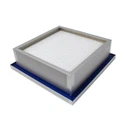
One type is the Grease Metal Panels Filter. These filters are made of metal panels that are designed to capture greasy particles. They're great for humidifiers in kitchens or industrial settings where there might be a lot of oily or greasy air. The metal panels have a special coating that helps the grease stick to them. When the air passes through, the grease particles adhere to the panels, leaving the air cleaner.
Pocket Primary Filter
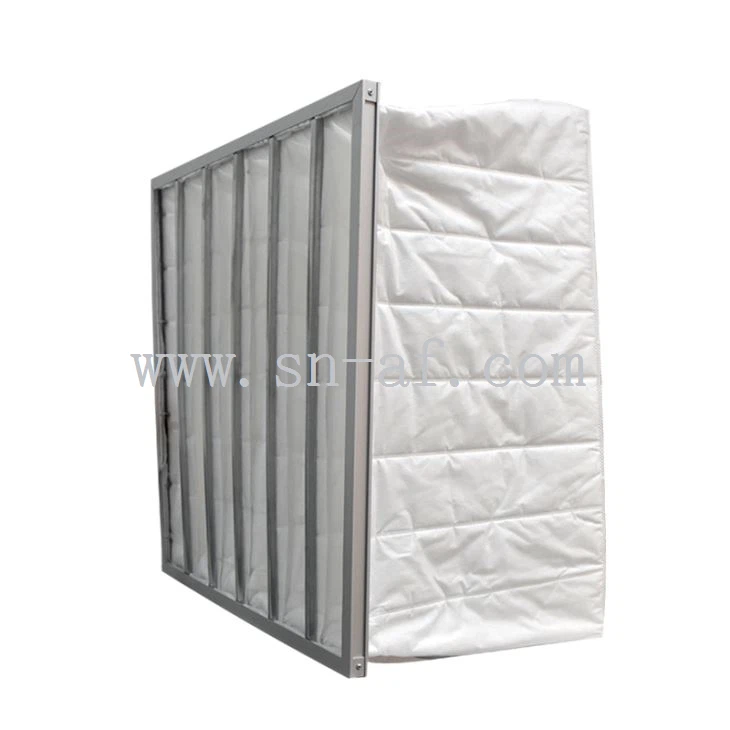
Another type is the Pocket Primary Filter. These filters have a unique pocket-like design. The pockets increase the surface area of the filter, which means more particles can be trapped. As the air flows into the pockets, the particles get trapped inside. The pockets also help to slow down the air, giving the filter more time to catch the particles.
Synthetic Fiber Panel Pre Air Filter G4
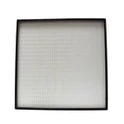
The Synthetic Fiber Panel Pre Air Filter G4 is a popular choice too. It's made of synthetic fibers that are arranged in a dense pattern. These fibers are very effective at trapping small particles like pollen and dust. The G4 rating means that it can capture a certain percentage of particles of a specific size. This filter is great for general use in homes and offices.

Why It's Important
You might be wondering, "Why do I even need a primary filter in my humidifier?" Well, there are a few reasons.
First, it helps to improve the air quality in your room. By removing dust, pollen, and other allergens, the filter reduces the amount of stuff that can make you sneeze, cough, or have other allergy symptoms. This is especially important for people with asthma or other respiratory problems.
Second, it helps to protect the humidifier itself. When the air is clean, there's less chance of the internal components of the humidifier getting clogged or damaged. This can extend the life of the humidifier and save you money in the long run.
Maintenance of Primary Filters
To keep your primary filter working well, you need to take care of it. Most filters need to be cleaned or replaced regularly. The frequency depends on how often you use the humidifier and the quality of the air in your area.
If you have a washable filter, like some of the metal mesh filters, you can simply remove it from the humidifier and rinse it under running water. Let it dry completely before putting it back in.
For non-washable filters, like many of the synthetic fiber filters, you'll need to replace them when they get dirty. You can usually tell when a filter needs to be replaced because it looks clogged or discolored.
How to Choose the Right Primary Filter
When choosing a primary filter for your humidifier, there are a few things to consider.
First, think about the size of the filter. It needs to fit properly in your humidifier. Check the user manual of your humidifier to find out the correct filter size.
Second, consider the type of particles you want to remove. If you have a lot of dust in your home, a filter with a high dust-capturing capacity might be best. If you're in a kitchen or industrial area, a grease metal panels filter could be a good choice.
Finally, think about your budget. Some filters are more expensive than others, but they might also last longer or be more effective.
Contact Us for Your Filter Needs
If you're in the market for a primary filter for your humidifier, we're here to help. We offer a wide range of high-quality filters, including the Grease Metal Panels Filter, Pocket Primary Filter, and Synthetic Fiber Panel Pre Air Filter G4. Whether you're a homeowner looking to improve your indoor air quality or a business owner in need of industrial-grade filters, we've got you covered.
Get in touch with us to discuss your specific requirements and get the best filter for your needs. We're always happy to answer your questions and help you make the right choice.
References
- "Air Filtration Basics" - A guide on air filtration principles.
- "Humidifier Maintenance Manuals" - Various manuals from different humidifier manufacturers.