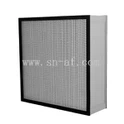
Hey there! As a supplier of Synthetic Pocket Filters, I often get asked whether these filters meet fire safety standards. It's a crucial question, especially when you're dealing with air filtration systems in various settings, from commercial buildings to industrial facilities. In this blog, I'll dive deep into this topic and share some insights based on my experience in the industry.
First off, let's understand what a Synthetic Pocket Filter is. These filters are designed to capture a wide range of airborne particles, including dust, pollen, and even some bacteria. They're made from synthetic materials, which offer several advantages over traditional filter media. Synthetic Pocket Filters are known for their high efficiency, durability, and cost - effectiveness. You can check out our Synthetic Pocket Filter on our website for more details.
Now, onto the main question: Do they meet fire safety standards? Well, the answer isn't a simple yes or no. Fire safety standards vary from country to country and even from industry to industry. In general, there are a few key factors that determine whether a filter meets these standards.
One of the most important aspects is the flammability of the filter material. Synthetic materials used in these filters are typically engineered to have a certain level of fire resistance. However, not all synthetic materials are created equal. Some are more fire - resistant than others, and it's essential to choose a filter that is made from high - quality, fire - retardant materials.
Most countries have specific tests and certifications for fire safety in air filters. For example, in the United States, the National Fire Protection Association (NFPA) has set standards for the fire performance of air filters. Filters need to pass tests such as the ASTM E84 test, which measures the surface burning characteristics of building materials. This test evaluates how quickly a material will catch fire and how far the flames will spread once the material is ignited.
In Europe, the EN 13501 - 1 standard is widely used to classify the fire behavior of construction products, including air filters. This standard categorizes products into different fire classes based on their reaction to fire, from A1 (non - combustible) to F (highly combustible).
As a supplier, I make sure that our Synthetic Pocket Filter products are tested and certified to meet the relevant fire safety standards. We work closely with independent testing laboratories to ensure that our filters comply with the strictest regulations. This gives our customers peace of mind knowing that the filters they're using are safe and reliable.
Another factor to consider is the installation and maintenance of the filters. Even if a filter meets the fire safety standards, improper installation or lack of maintenance can compromise its safety. For example, if a filter is installed too close to a heat source, it may be more likely to catch fire. Regular maintenance, such as cleaning and replacing the filters at the recommended intervals, is also crucial to ensure their continued fire safety.
Let's take a look at the Pocket Air Filter F5. This is one of our popular products, and it's designed to offer high - efficiency filtration while also meeting the necessary fire safety standards. The F5 filter is made from a synthetic media that has been treated to enhance its fire - retardant properties. It has been tested and certified according to the relevant standards, so you can be confident in its safety.


When it comes to choosing a Synthetic Pocket Filter, it's important to do your research. Don't just look at the price; consider the quality and safety of the product. Ask your supplier about the fire safety certifications of their filters and request to see the test reports. A reputable supplier should be able to provide you with this information easily.
In addition to fire safety, there are other benefits to using Synthetic Pocket Filters. They offer excellent filtration efficiency, which means they can remove a large percentage of airborne particles from the air. This is especially important in environments where air quality is a concern, such as hospitals, schools, and manufacturing plants.
These filters also have a long service life compared to some other types of filters. This means less frequent filter replacements, which can save you time and money in the long run. And because they're made from synthetic materials, they're more resistant to moisture and mold growth, which can further improve the overall air quality in your facility.
To sum it up, a well - made Synthetic Pocket Filter can meet fire safety standards, but it's crucial to choose the right product and ensure proper installation and maintenance. At our company, we're committed to providing high - quality filters that not only meet but exceed the industry's fire safety requirements.
If you're in the market for Synthetic Pocket Filters and want to learn more about our products, or if you have any questions regarding fire safety or filtration efficiency, don't hesitate to get in touch. We're here to help you make the best choice for your air filtration needs. Whether you're a small business owner or managing a large industrial complex, we have the right filter solution for you. Let's start a conversation and see how we can work together to improve the air quality and safety in your facility.
References
- National Fire Protection Association (NFPA) standards
- ASTM E84 test guidelines
- EN 13501 - 1 standard for fire behavior of construction products