Hey there! I'm an ULPA filter supplier, and I often get asked whether ULPA filters require professional installation. Well, let's dig into this topic and break it down.
First off, what the heck are ULPA filters? ULPA stands for Ultra - Low Penetration Air filter. These bad boys are designed to trap an extremely high percentage of particles, even tinier ones that regular filters might let slip through. They're commonly used in places where air quality is super crucial, like hospitals, clean rooms for semiconductor manufacturing, and pharmaceutical labs.
Now, to answer the big question: do ULPA filters need professional installation? It's a bit of a mixed bag, and there are several factors to consider.
The Case for Professional Installation
Technical Know - How
ULPA filters are high - tech pieces of equipment. Installing them correctly requires a good understanding of air handling systems. You need to know how to properly seal the filter in place. A poor seal can lead to air bypassing the filter, which means all those tiny particles you're trying to keep out will still find their way into the environment. Professional installers have been trained to handle these filters with care and ensure a tight seal. For example, they know the right amount of pressure to apply when securing the filter frame, which is something that an amateur might struggle with.
Safety Precautions
ULPA filters are often used in environments where safety is a top priority. During installation, there's a risk of damaging the filter media if it's not handled properly. A damaged filter won't work as effectively and could potentially release contaminants into the air. Professionals are aware of the safety protocols. They'll wear the appropriate protective gear, like gloves and masks, to prevent any contamination of the filter. They also know how to safely dispose of any packaging materials or old filters in an environmentally friendly way.
Compatibility with Existing Systems
Every air handling system is unique. Professional installers can assess whether the ULPA filter you've chosen is compatible with your existing system. They'll check things like the size of the filter housing, the airflow rate, and the pressure drop across the filter. For instance, if the filter is too large or too small for the housing, it won't fit properly. And if the airflow rate isn't right, it can cause problems with the overall efficiency of the system.
Situations Where DIY Installation Might Be Okay
Simple Setups
If you have a relatively simple air handling system, like a small home air purifier that uses a ULPA filter, you might be able to install it yourself. These systems are usually designed with ease of use in mind. The filter is often a standard size, and the installation process is straightforward. You can usually find clear instructions in the user manual. Just make sure to follow them carefully.
Cost Considerations
Let's face it, professional installation can be expensive. If you're on a tight budget and you're confident in your DIY skills, you might be tempted to install the ULPA filter yourself. However, you need to weigh the cost savings against the potential risks. A poorly installed filter could end up costing you more in the long run if it leads to system inefficiencies or if you have to replace the filter prematurely.
Our ULPA Filter Offerings
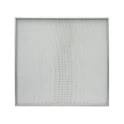
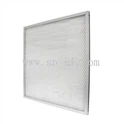
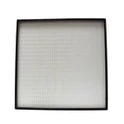
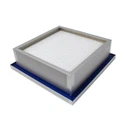
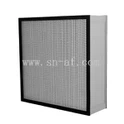
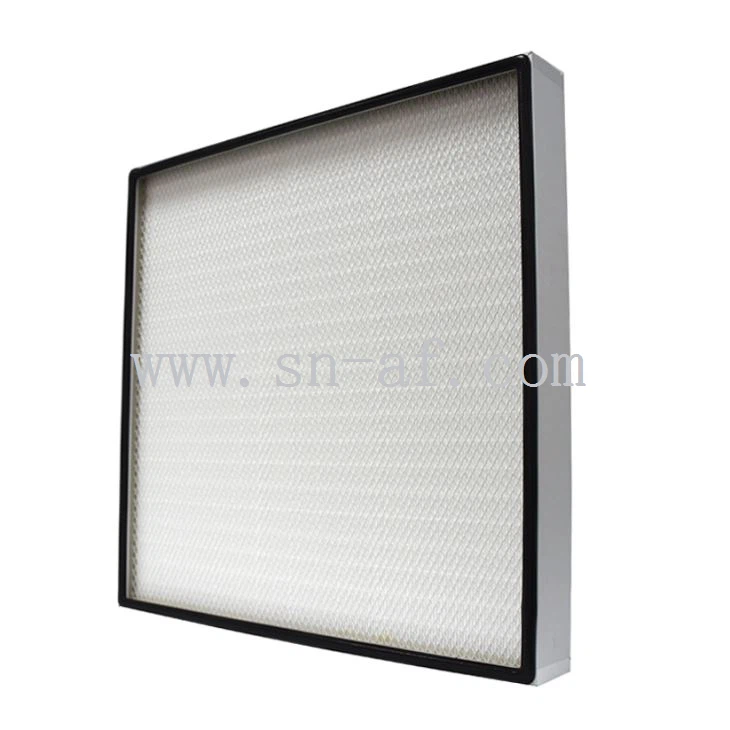
We offer a range of high - quality ULPA filters, including the U16 Mini - Pleat ULPA Filter, the U15 Mini - Pleat ULPA Filter, and the U17 Mini - Pleat ULPA Filter. These filters are designed to provide excellent filtration performance and are suitable for a variety of applications.
The U16 Mini - Pleat ULPA Filter is great for applications where a high level of particle removal is required, but you don't need the absolute highest efficiency. It offers a good balance between performance and cost. The U15 Mini - Pleat ULPA Filter is slightly less efficient but is still very effective at removing particles. It's a good choice for less critical environments where the cost is a major factor. And the U17 Mini - Pleat ULPA Filter is the top - of - the - line option. It provides the highest level of filtration efficiency and is ideal for the most demanding applications, like semiconductor clean rooms.
Making the Decision
So, should you go for professional installation or try it yourself? It really depends on your situation. If you're not sure, it's always a good idea to consult with a professional. You can give us a call or drop us an email, and we'll be happy to help you make the right decision.
If you're in a complex industrial or commercial environment, professional installation is probably the way to go. The peace of mind that comes with knowing the filter is installed correctly is well worth the cost. On the other hand, if you're dealing with a simple home or small - scale application, and you're confident in your DIY skills, you might be able to save some money by doing it yourself.
Contact Us for Your ULPA Filter Needs
Whether you need help with choosing the right ULPA filter, deciding on installation, or have any other questions, we're here for you. We've got a team of experts who can guide you through the process. So, don't hesitate to reach out to us if you're thinking about purchasing ULPA filters. We'll work with you to ensure you get the best solution for your specific needs.

References
- "Air Filtration Handbook", a comprehensive guide on air filtration systems and filter installation.
- Industry standards and guidelines from organizations like ASHRAE (American Society of Heating, Refrigerating and Air - Conditioning Engineers) regarding air filter installation and maintenance.