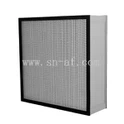
Can V - Bank Filters be used in food processing industries?
As a supplier of V - Bank Filters, I've often been asked whether these filters are suitable for use in food processing industries. In this blog post, I'll delve into the details to provide a comprehensive answer.
Understanding V - Bank Filters
V - Bank Filters are a type of air filter that are designed with a unique V - shaped configuration. This design allows for a larger surface area compared to traditional flat filters, which in turn increases the filter's dust - holding capacity and efficiency. The V - Bank design also provides better airflow distribution, reducing the pressure drop across the filter and minimizing energy consumption.
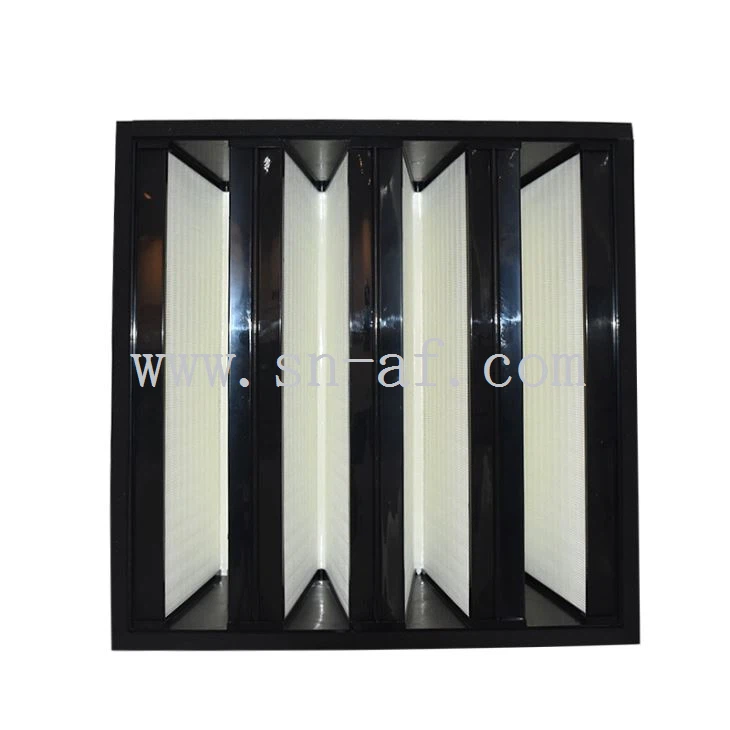

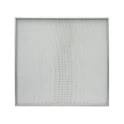
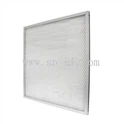
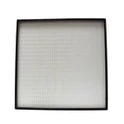
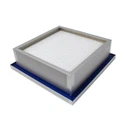
Mini Pleat V - Bank Filter, a specific type of V - Bank Filter, offers even more advantages. With its mini - pleated design, it can achieve a higher filtration efficiency while maintaining a relatively low pressure drop. You can learn more about Mini Pleat V - Bank Filter.
Requirements in Food Processing Industries
Food processing industries have strict requirements when it comes to air quality. The air in these facilities needs to be free from contaminants such as dust, pollen, bacteria, and mold spores. Contaminated air can lead to product spoilage, reduced shelf - life, and even pose a risk to consumer health.
Additionally, food processing environments often have high humidity levels and may be exposed to various chemicals and cleaning agents. Filters used in these industries need to be able to withstand these harsh conditions without losing their filtration efficiency.
Suitability of V - Bank Filters in Food Processing
Filtration Efficiency
V - Bank Filters are capable of providing high - level filtration. They can effectively capture a wide range of particles, including those in the sub - micron range. This is crucial in food processing industries, as even the smallest particles can contaminate food products. For example, dust particles can carry bacteria and other microorganisms that can cause foodborne illnesses. With their large surface area and efficient pleating design, V - Bank Filters can trap these particles and prevent them from entering the production area.
Dust - Holding Capacity
In food processing plants, there is often a significant amount of dust generated during the production process, such as flour dust in bakeries or sugar dust in confectionery factories. V - Bank Filters have a high dust - holding capacity due to their V - shaped design. This means they can operate for longer periods without needing to be replaced, reducing maintenance costs and downtime.
Resistance to Harsh Environments
As mentioned earlier, food processing environments can be harsh. V - Bank Filters can be constructed using materials that are resistant to moisture, chemicals, and cleaning agents. For instance, some V - Bank Filters are made with hydrophobic media, which repels water and prevents the growth of mold and bacteria. This makes them suitable for use in areas where there is a high risk of moisture exposure, such as near washing stations or in refrigerated areas.
Airflow and Energy Efficiency
Proper airflow is essential in food processing facilities to ensure uniform temperature and humidity distribution. V - Bank Filters have a low pressure drop, which means they allow for a smooth flow of air. This not only helps in maintaining a consistent environment but also reduces the energy consumption of the ventilation system. Lower energy consumption translates to cost savings for food processing companies in the long run.
Case Studies
Let's take a look at some real - world examples of how V - Bank Filters have been successfully used in food processing industries.
A large bakery was experiencing issues with product contamination due to airborne dust particles. They installed V - Bank Filters in their ventilation system. After the installation, the bakery noticed a significant reduction in the amount of dust in the production area. This led to a decrease in product spoilage and an improvement in the overall quality of their baked goods. The V - Bank Filters' high dust - holding capacity also meant that they only needed to be replaced every few months, compared to the previous filters which needed to be changed weekly.
In a dairy processing plant, V - Bank Filters were used in the air handling units. The plant had high humidity levels, and there was a risk of mold growth on the filters. The V - Bank Filters with hydrophobic media were able to resist the moisture and prevent mold growth. This ensured that the air supplied to the processing areas remained clean and free from contaminants, protecting the dairy products from spoilage.
Considerations when Using V - Bank Filters in Food Processing
While V - Bank Filters offer many benefits for food processing industries, there are some considerations to keep in mind.
Compatibility with Existing Systems
Before installing V - Bank Filters, it's important to ensure that they are compatible with the existing ventilation system. This includes checking the size, shape, and mounting requirements of the filters. In some cases, minor modifications to the system may be required.
Regular Maintenance
Although V - Bank Filters have a high dust - holding capacity, they still require regular maintenance. This includes periodic inspections to check for any signs of damage or clogging. Filters should be replaced when they reach the end of their service life to maintain optimal filtration efficiency.
Regulatory Compliance
Food processing industries are subject to strict regulations regarding air quality and food safety. When using V - Bank Filters, it's essential to ensure that they meet all relevant regulatory standards. This may involve obtaining certifications such as ISO 16890 for filtration efficiency.
Conclusion
In conclusion, V - Bank Filters are highly suitable for use in food processing industries. Their high filtration efficiency, large dust - holding capacity, resistance to harsh environments, and energy - saving features make them an ideal choice for maintaining clean air in food production facilities. However, it's important to carefully consider the compatibility with existing systems, perform regular maintenance, and ensure regulatory compliance.
If you're in the food processing industry and are looking for a reliable air filtration solution, I encourage you to consider V - Bank Filters. Our company offers a wide range of V - Bank Filters, including the Mini Pleat V - Bank Filter, which can be customized to meet your specific requirements. Contact us to start a discussion about your filtration needs and explore how our V - Bank Filters can benefit your business.
References
- "Air Filtration in Food Processing: A Review", Journal of Food Science and Technology
- "Filtration Efficiency Standards for Industrial Applications", ISO 16890 Publication
- Case studies from various food processing plants using V - Bank Filters.