Can ULPA Filters be used in pharmaceutical manufacturing?
Hey there! I'm a supplier of ULPA filters, and I often get asked if these filters can be used in pharmaceutical manufacturing. Well, let's dive right into it and find out.
First off, what are ULPA filters? ULPA stands for Ultra Low Penetration Air. These filters are designed to capture extremely small particles, even smaller than what HEPA filters can handle. They're capable of removing at least 99.999% of particles that are 0.12 microns in diameter or larger. This high level of filtration makes them a top - choice for environments where air purity is of utmost importance.
In pharmaceutical manufacturing, air quality is crucial. The production of drugs and medications needs to be done in a clean environment to prevent contamination. Contaminants in the air, such as dust, bacteria, and viruses, can have a significant impact on the quality and safety of pharmaceutical products. For example, if a batch of injectable drugs is contaminated with bacteria during the manufacturing process, it can lead to serious health risks for patients.
So, can ULPA filters be used? The answer is a resounding yes! In fact, they are highly recommended. Pharmaceutical manufacturing facilities typically have different cleanroom classifications, ranging from ISO Class 1 (the cleanest) to ISO Class 9. ULPA filters are well - suited for the lower ISO classes (ISO Class 1 - 5), where the air quality requirements are extremely strict.
Let's talk about the benefits of using ULPA filters in pharmaceutical manufacturing.
1. High - efficiency filtration
As I mentioned earlier, ULPA filters can capture a very high percentage of small particles. This means that they can effectively remove contaminants like particulate matter, microorganisms, and even some chemical vapors. By maintaining a clean air environment, they help ensure the quality and integrity of the pharmaceutical products being manufactured.
2. Compliance with regulations
The pharmaceutical industry is heavily regulated, and there are strict guidelines regarding air quality in manufacturing facilities. Using ULPA filters can help pharmaceutical companies meet these regulatory requirements. For instance, the FDA (Food and Drug Administration) in the United States has specific standards for cleanrooms in drug manufacturing, and ULPA filters can play a key role in achieving compliance.
3. Product protection
By keeping the air clean, ULPA filters protect the pharmaceutical products from contamination. This reduces the risk of product recalls, which can be extremely costly for pharmaceutical companies in terms of both money and reputation.
4. Worker safety
A clean air environment is not only important for the products but also for the workers in the manufacturing facility. ULPA filters can remove harmful particles from the air, reducing the risk of respiratory problems and other health issues for the employees.
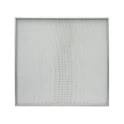
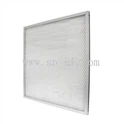
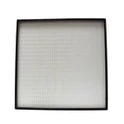
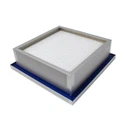
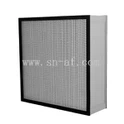
Now, let's take a look at some of our ULPA filter products that are suitable for pharmaceutical manufacturing. We have the U17 Mini - Pleat ULPA Filter, the U16 Mini - Pleat ULPA Filter, and the U15 Mini - Pleat ULPA Filter. These filters are designed with a mini - pleat structure, which provides a large filtration area in a compact size. This makes them ideal for installation in cleanroom HVAC systems.
The U17 Mini - Pleat ULPA Filter offers the highest level of filtration efficiency among the three. It can remove up to 99.9999% of particles at 0.12 microns. The U16 filter has a slightly lower efficiency but still provides excellent filtration, removing up to 99.999% of particles at 0.12 microns. The U15 filter is also a great option, with a filtration efficiency of up to 99.99% at 0.12 microns.
When choosing a ULPA filter for pharmaceutical manufacturing, there are a few factors to consider.


1. Filtration efficiency
As I've already discussed, the filtration efficiency is a crucial factor. You need to choose a filter that can meet the specific air quality requirements of your manufacturing process.
2. Airflow resistance
A filter with high airflow resistance can put a strain on the HVAC system, leading to increased energy consumption. You want to choose a filter that provides good filtration while maintaining a reasonable airflow resistance.
3. Durability
Pharmaceutical manufacturing facilities operate continuously, so the filters need to be durable. A long - lasting filter will reduce the frequency of filter replacements, saving both time and money.
4. Compatibility
The filter needs to be compatible with your existing HVAC system. Make sure to check the size, mounting requirements, and other specifications before making a purchase.
In conclusion, ULPA filters are an excellent choice for pharmaceutical manufacturing. They offer high - efficiency filtration, help with regulatory compliance, protect products and workers, and are available in a variety of options to suit different needs. If you're in the pharmaceutical manufacturing industry and are looking for a reliable ULPA filter solution, I'd love to help. Whether you need more information about our products, or you're ready to start a purchase, feel free to reach out. We can have a detailed discussion about your specific requirements and find the perfect ULPA filter for your facility.
References
- FDA Guidance for Industry: Sterile Drug Products Produced by Aseptic Processing – Current Good Manufacturing Practice
- ISO 14644 series standards for cleanrooms and associated controlled environments