Hey there! As a supplier of ULPA filters, I often get asked if these filters can be used in HVAC systems. So, I thought I'd dive into this topic and share some insights.
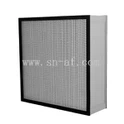
First off, let's talk about what ULPA filters are. ULPA stands for Ultra Low Penetration Air. These filters are designed to capture extremely small particles, even more so than HEPA filters. They can trap particles as small as 0.12 microns with an efficiency of 99.999%. That's pretty impressive, right?
Now, can they be used in HVAC systems? The short answer is yes, they can. But there are a few things to consider.
Advantages of Using ULPA Filters in HVAC Systems
1. Superior Air Quality
One of the main reasons to use ULPA filters in an HVAC system is to achieve a high level of air purification. In environments where air quality is critical, such as hospitals, pharmaceutical manufacturing facilities, and semiconductor clean rooms, ULPA filters can significantly reduce the presence of harmful particles. This helps to prevent the spread of airborne diseases, protect sensitive manufacturing processes, and ensure the well - being of occupants.
2. Long - Term Cost Savings
Although ULPA filters are generally more expensive than regular HVAC filters, they can offer long - term cost savings. Their high efficiency means that they can capture more particles before needing to be replaced. This reduces the frequency of filter changes, which in turn saves on labor and replacement filter costs.
3. Compatibility with HVAC Systems
Most modern HVAC systems can be adapted to use ULPA filters. Manufacturers are aware of the demand for high - efficiency filtration and design their systems to be flexible. You may need to make some minor adjustments to the system, such as increasing the fan speed to compensate for the increased resistance caused by the dense ULPA filter media. But overall, it's usually a manageable modification.
Disadvantages and Challenges
1. High Initial Cost
As mentioned earlier, ULPA filters are more expensive than standard HVAC filters. This can be a significant barrier for some building owners or facility managers, especially those on a tight budget. However, it's important to weigh the initial cost against the long - term benefits, such as improved air quality and reduced maintenance costs.
2. Increased Energy Consumption
ULPA filters have a higher resistance to air flow compared to regular filters. This means that the HVAC system has to work harder to push air through the filter, which can lead to increased energy consumption. To mitigate this, you can invest in a high - efficiency fan or use variable - speed drives to adjust the fan speed according to the filtration requirements.
3. Maintenance Requirements
While ULPA filters can last longer between replacements, they still require proper maintenance. Regular inspections are necessary to ensure that the filter is functioning properly and to detect any signs of damage or clogging. If a ULPA filter becomes clogged, it can not only reduce the efficiency of the HVAC system but also pose a risk to air quality.
Types of ULPA Filters for HVAC Systems
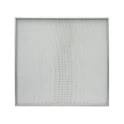
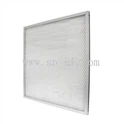
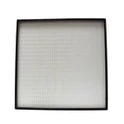
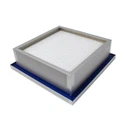
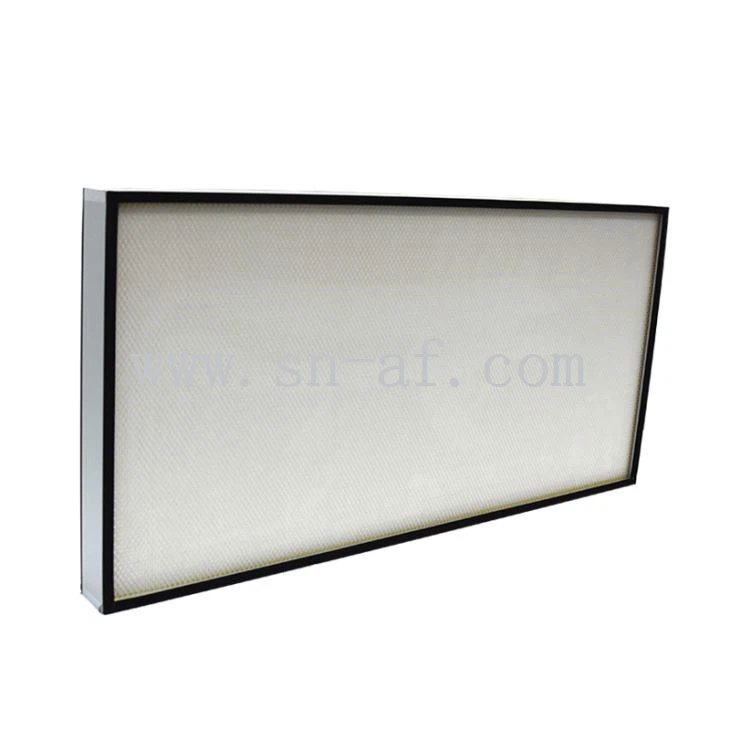
We offer a range of ULPA filters that are suitable for HVAC systems. Our U15 Mini - Pleat ULPA Filter is a great option for applications where a high level of filtration is required but the air flow resistance needs to be kept relatively low. It can capture particles with an efficiency of up to 99.99% at 0.12 microns.
For even higher levels of filtration, our U16 Mini - Pleat ULPA Filter is a top choice. It offers an efficiency of 99.999% at 0.12 microns, making it ideal for critical environments such as clean rooms and laboratories.
And if you need the ultimate in air purification, our U17 Mini - Pleat ULPA Filter is the way to go. With an efficiency of 99.9999% at 0.12 microns, it can provide the purest air possible.
Installation and Integration
When installing ULPA filters in an HVAC system, it's crucial to follow the manufacturer's instructions. Make sure that the filter is properly sealed to prevent air bypass. A small gap around the filter can significantly reduce its effectiveness.
It's also a good idea to work with a professional HVAC contractor who has experience with high - efficiency filtration systems. They can help you with the installation, make any necessary adjustments to the system, and ensure that everything is working smoothly.

Conclusion
In conclusion, ULPA filters can definitely be used in HVAC systems, and they offer many benefits in terms of air quality and long - term cost savings. However, they also come with some challenges, such as high initial cost and increased energy consumption. By carefully considering these factors and working with a knowledgeable team, you can determine if ULPA filters are the right choice for your HVAC system.
If you're interested in learning more about our ULPA filters or discussing how they can be integrated into your HVAC system, don't hesitate to reach out. We're here to help you make the best decision for your air quality needs. Whether you're a building owner, a facility manager, or an HVAC contractor, we can provide you with the information and support you need.
References
- ASHRAE Handbook of HVAC Systems and Equipment
- ISO 14644 - 1: Cleanrooms and associated controlled environments — Part 1: Classification of air cleanliness
- EN 1822:2019 - High - efficiency particulate air filters (HEPA) and ultra - low penetration air filters (ULPA)