Hey there! As an industrial filter supplier, I often get asked if industrial filters can be used in hazardous environments. Well, the short answer is yes, but there's a lot more to it than that. In this blog post, I'll dive into the details of using industrial filters in hazardous settings, the types of filters that are suitable, and how they can keep your operations safe and efficient.
Understanding Hazardous Environments
First off, let's talk about what we mean by "hazardous environments." These are places where there are potential risks to human health, equipment, or the environment. This can include areas with high levels of dust, chemicals, fumes, or even explosive gases. Industries like mining, oil and gas, chemical manufacturing, and pharmaceuticals often deal with these kinds of hazardous conditions on a daily basis.
In these environments, the air quality can be extremely poor, and the presence of harmful substances can pose serious threats. That's where industrial filters come in. They're designed to remove contaminants from the air, water, or other fluids, helping to protect workers, equipment, and the surrounding environment.
Types of Industrial Filters for Hazardous Environments
Metal Washable Air Grease Filters
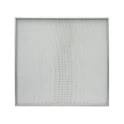
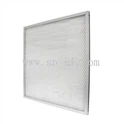
One type of filter that's great for hazardous environments is the Metal Washable Air Grease Filters. These filters are made from metal, which makes them durable and resistant to high temperatures and corrosive substances. They're designed to capture grease, oil, and other particulate matter from the air, making them ideal for use in industrial kitchens, food processing plants, and other areas where there's a lot of grease and oil in the air.
The great thing about these filters is that they're washable, which means you can reuse them multiple times. This not only saves you money in the long run but also reduces waste. Plus, they're easy to install and maintain, so you don't have to worry about a lot of downtime or complicated procedures.
Cleanroom Aluminum Frame HEPA Filter
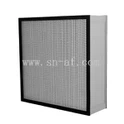
Another important filter for hazardous environments is the Cleanroom Aluminum Frame HEPA Filter. HEPA stands for High-Efficiency Particulate Air, and these filters are designed to remove at least 99.97% of particles that are 0.3 microns or larger from the air. This makes them extremely effective at capturing dust, pollen, mold spores, and other harmful particles.
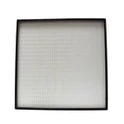
Cleanrooms are often used in industries like electronics manufacturing, pharmaceuticals, and biotechnology, where even the smallest particle can cause problems. The aluminum frame of these filters makes them lightweight and easy to handle, while also providing excellent structural support. They're also designed to be used in high-pressure environments, so they can withstand the rigors of industrial use.
High Capacity Pleated Panel Filter
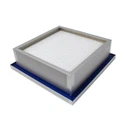
The High Capacity Pleated Panel Filter is another great option for hazardous environments. These filters have a large surface area, which allows them to capture a high volume of particles without clogging up quickly. They're designed to be used in HVAC systems, air compressors, and other industrial equipment, where they can help to improve air quality and protect the equipment from damage.


The pleated design of these filters increases their efficiency and lifespan, making them a cost-effective solution for industrial applications. They're also available in a variety of sizes and filtration ratings, so you can choose the one that's right for your specific needs.
Benefits of Using Industrial Filters in Hazardous Environments
Protecting Workers' Health
One of the most important benefits of using industrial filters in hazardous environments is protecting the health of your workers. By removing harmful contaminants from the air, water, or other fluids, filters can help to reduce the risk of respiratory problems, skin irritation, and other health issues. This not only improves the well-being of your employees but also reduces absenteeism and increases productivity.
Protecting Equipment
Industrial filters also help to protect your equipment from damage. When contaminants are allowed to build up in your equipment, they can cause corrosion, wear and tear, and other problems. This can lead to costly repairs and downtime, which can have a significant impact on your bottom line. By using filters to remove these contaminants, you can extend the lifespan of your equipment and keep it running smoothly.
Meeting Regulatory Requirements
Many industries are subject to strict environmental regulations, which require them to maintain a certain level of air and water quality. By using industrial filters, you can ensure that your operations meet these regulatory requirements and avoid costly fines and penalties. This not only helps to protect the environment but also demonstrates your commitment to responsible business practices.
Considerations When Using Industrial Filters in Hazardous Environments
Filtration Rating
When choosing an industrial filter for a hazardous environment, it's important to consider the filtration rating. The filtration rating indicates the size of the particles that the filter can remove from the air, water, or other fluids. You'll need to choose a filter with a filtration rating that's appropriate for the specific contaminants you're dealing with.
Compatibility
It's also important to consider the compatibility of the filter with the substances it will be filtering. Some filters may not be suitable for use with certain chemicals or other substances, so you'll need to make sure that the filter you choose is compatible with the materials in your hazardous environment.
Maintenance
Regular maintenance is essential for ensuring the effectiveness of industrial filters. You'll need to clean or replace the filters on a regular basis to prevent them from becoming clogged and losing their efficiency. Make sure you have a maintenance schedule in place and that your employees are trained on how to properly maintain the filters.
Conclusion
So, can industrial filters be used in hazardous environments? Absolutely! With the right type of filter and proper maintenance, industrial filters can help to protect your workers, equipment, and the environment in even the most challenging settings. Whether you're dealing with dust, chemicals, fumes, or other hazardous substances, there's an industrial filter out there that's right for you.
If you're interested in learning more about our industrial filters or have any questions about using them in hazardous environments, don't hesitate to reach out. We're here to help you find the best filtration solutions for your specific needs. Let's work together to keep your operations safe and efficient.
References
- "Industrial Filtration Handbook" by Andrew S. Tepper
- "Air Filtration: An Introduction for Engineers and Scientists" by Philip A. Cote
- Various industry standards and regulations related to air and water quality in hazardous environments.