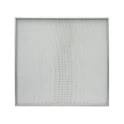
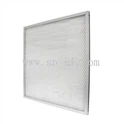
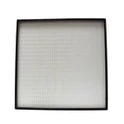
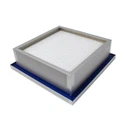
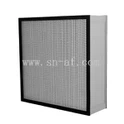
In the realm of air filtration systems, primary filters play a pivotal role in ensuring the quality of air in various environments, from industrial settings to commercial buildings and even residential spaces. As a primary filter supplier, I often encounter a common question from customers: Can a primary filter be cleaned and reused? This blog post aims to delve into this topic, exploring the feasibility, benefits, and limitations of cleaning and reusing primary filters.


Understanding Primary Filters
Before we discuss the possibility of cleaning and reusing primary filters, it's essential to understand what they are and how they function. Primary filters are the first line of defense in an air filtration system. They are designed to capture large particles such as dust, lint, hair, and debris, preventing them from entering the more sensitive and expensive secondary or tertiary filters downstream.
There are several types of primary filters available in the market, each with its unique design and filtration capabilities. For instance, the Pocket Primary Filter features a pocket-like structure that provides a large surface area for particle capture. The V-form Extended Surface Panel Filter is designed with a V-shaped configuration to increase the filter's surface area and improve its dust-holding capacity. And the Grease Metal Panels Filter is specifically designed to capture grease and oil particles, making it ideal for use in kitchens and food processing facilities.
Can Primary Filters Be Cleaned and Reused?
The short answer is yes, many primary filters can be cleaned and reused. However, the feasibility of cleaning and reusing a primary filter depends on several factors, including the type of filter, the material it is made of, the level of contamination, and the cleaning method used.
Types of Filters Suitable for Cleaning and Reuse
- Metal Filters: Metal filters, such as the Grease Metal Panels Filter, are often suitable for cleaning and reuse. These filters are typically made of stainless steel or aluminum, which are durable and resistant to corrosion. They can be easily cleaned by soaking them in a cleaning solution and rinsing them thoroughly. Once cleaned, they can be reinstalled in the filtration system.
- Washable Synthetic Filters: Some primary filters are made of washable synthetic materials, such as polyester or polypropylene. These filters can be washed with water and mild detergent, then dried and reused. They are a cost-effective option for applications where frequent filter replacement is required.
Factors Affecting the Reusability of Filters
- Level of Contamination: If a primary filter is heavily contaminated with dirt, dust, or grease, it may be difficult to clean it effectively. In some cases, the contaminants may be embedded in the filter material, making it impossible to remove them completely. In such situations, it may be more practical to replace the filter rather than attempting to clean it.
- Damage to the Filter: Over time, primary filters may become damaged due to wear and tear, exposure to harsh chemicals, or improper handling. If a filter is torn, punctured, or has other visible signs of damage, it should not be reused, as it may not provide effective filtration.
- Filter Efficiency: Cleaning a primary filter may affect its filtration efficiency. If the filter material is damaged or the pores are enlarged during the cleaning process, the filter may not be able to capture particles as effectively as before. It's important to test the filter's efficiency after cleaning to ensure that it still meets the required standards.
Benefits of Cleaning and Reusing Primary Filters
There are several benefits to cleaning and reusing primary filters, including:
- Cost Savings: Cleaning and reusing primary filters can significantly reduce the cost of filtration. Instead of purchasing new filters every time they become dirty, you can simply clean them and reuse them, saving money on filter replacement.
- Environmental Sustainability: By reusing primary filters, you can reduce the amount of waste generated by your filtration system. This is especially important in today's environmentally conscious world, where reducing waste and conserving resources are top priorities.
- Extended Filter Lifespan: Regular cleaning and maintenance can extend the lifespan of primary filters. By removing contaminants from the filter material, you can prevent them from accumulating and causing damage to the filter. This can help to ensure that the filter continues to provide effective filtration for a longer period of time.
Cleaning Methods for Primary Filters
There are several methods for cleaning primary filters, each with its own advantages and disadvantages. The choice of cleaning method depends on the type of filter, the level of contamination, and the available resources.
Manual Cleaning
Manual cleaning involves physically removing the contaminants from the filter using a brush, vacuum cleaner, or compressed air. This method is suitable for filters that are lightly contaminated and have a relatively simple design.
- Brushing: Use a soft-bristled brush to gently remove the dirt and dust from the filter surface. Be careful not to damage the filter material.
- Vacuuming: Use a vacuum cleaner with a soft brush attachment to remove the loose dirt and dust from the filter. This method is effective for removing surface contaminants.
- Compressed Air: Use a compressed air gun to blow the dirt and dust out of the filter. This method is suitable for filters with a high level of contamination.
Chemical Cleaning
Chemical cleaning involves soaking the filter in a cleaning solution to dissolve the contaminants. This method is suitable for filters that are heavily contaminated with grease, oil, or other stubborn substances.
- Soaking: Fill a container with a cleaning solution, such as a mild detergent or a specialized filter cleaner. Immerse the filter in the solution and let it soak for a few hours or overnight.
- Agitation: After soaking, gently agitate the filter to loosen the contaminants. You can use a brush or a sponge to scrub the filter surface if necessary.
- Rinsing: Rinse the filter thoroughly with clean water to remove the cleaning solution and any remaining contaminants. Make sure to rinse the filter from both sides to ensure that all the contaminants are removed.
Precautions When Cleaning and Reusing Primary Filters
When cleaning and reusing primary filters, it's important to take the following precautions:
- Follow the Manufacturer's Instructions: Always follow the manufacturer's instructions for cleaning and reusing the filter. Different filters may require different cleaning methods and procedures, so it's important to read the instructions carefully before cleaning the filter.
- Use the Right Cleaning Products: Use only cleaning products that are recommended by the filter manufacturer. Avoid using harsh chemicals or abrasive cleaners, as they may damage the filter material.
- Inspect the Filter After Cleaning: After cleaning the filter, inspect it carefully for any signs of damage or wear. If the filter is torn, punctured, or has other visible signs of damage, it should not be reused.
- Test the Filter Efficiency: After cleaning and reinstalling the filter, test its efficiency to ensure that it still meets the required standards. You can use a particle counter or other testing equipment to measure the filter's efficiency.
Conclusion
In conclusion, many primary filters can be cleaned and reused, provided that they are made of suitable materials, are not heavily contaminated, and are cleaned using the appropriate methods. Cleaning and reusing primary filters can offer significant cost savings, environmental benefits, and extended filter lifespan. However, it's important to take the necessary precautions and follow the manufacturer's instructions to ensure that the filters are cleaned effectively and safely.
If you have any questions about cleaning and reusing primary filters or if you are interested in purchasing high-quality primary filters for your filtration system, please feel free to contact us. Our team of experts is always ready to assist you and provide you with the best solutions for your air filtration needs.
References
- ASHRAE (American Society of Heating, Refrigerating and Air-Conditioning Engineers). (2022). ASHRAE Handbook - Fundamentals.
- ISO (International Organization for Standardization). (2019). ISO 16890:2016 - Air filters for general ventilation - Determination of filtration performance.