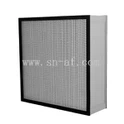
Can a Primary Filter in an Aircraft Engine Ensure Flight Safety?
As a supplier of primary filters for aircraft engines, I've spent a significant amount of time contemplating the role these filters play in ensuring flight safety. It's a question that often arises in discussions with airline operators, maintenance crews, and aviation enthusiasts alike: Can a primary filter in an aircraft engine truly ensure flight safety? In this blog post, I'll delve into the science behind aircraft engine primary filters, their functions, limitations, and their overall impact on flight safety.
The Role of Primary Filters in Aircraft Engines
Aircraft engines are sophisticated machines that require a constant supply of clean air to operate efficiently. The primary filter is the first line of defense in the engine's air intake system, responsible for removing large particles such as dust, sand, insects, and debris from the incoming air. By preventing these contaminants from entering the engine, the primary filter helps to protect the engine's internal components, such as the compressor blades, combustion chambers, and turbines, from damage and wear.
In addition to protecting the engine, primary filters also play a crucial role in maintaining engine performance. A clogged or dirty filter can restrict the flow of air into the engine, reducing its efficiency and power output. This can lead to increased fuel consumption, reduced thrust, and even engine stall in extreme cases. By ensuring a steady supply of clean air, primary filters help to optimize engine performance and prevent these issues from occurring.
Types of Primary Filters
There are several types of primary filters used in aircraft engines, each with its own unique design and function. Some of the most common types include:
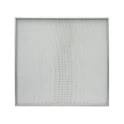
- Grease Metal Panels Filter: These filters consist of a series of metal panels coated with a thin layer of grease. The grease helps to trap larger particles as the air passes through the filter, while the metal panels provide structural support. Grease Metal Panels Filter are commonly used in military aircraft and helicopters, where they are exposed to harsh environmental conditions.
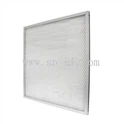
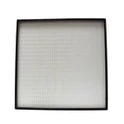
- Synthetic Fiber Panel Pre Air Filter G4: These filters are made from synthetic fibers that are designed to trap smaller particles, such as dust and pollen. The G4 rating indicates the filter's efficiency in removing particles larger than 5 microns. Synthetic Fiber Panel Pre Air Filter G4 are commonly used in commercial aircraft, where they provide a high level of filtration while maintaining a low pressure drop.
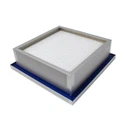
- Pocket Primary Filter: These filters consist of a series of pockets made from synthetic fibers or other materials. The pockets are designed to increase the surface area of the filter, allowing it to trap more particles. Pocket Primary Filter are commonly used in high-performance aircraft, where they provide a high level of filtration and durability.
Limitations of Primary Filters
While primary filters play a crucial role in protecting aircraft engines and maintaining performance, they are not without their limitations. One of the main limitations of primary filters is their ability to remove small particles, such as bacteria, viruses, and volatile organic compounds (VOCs). These particles are too small to be trapped by traditional filters and can pass through the engine's air intake system, potentially causing health problems for passengers and crew.
Another limitation of primary filters is their susceptibility to clogging. Over time, the filter can become clogged with dirt, dust, and other contaminants, reducing its efficiency and increasing the pressure drop across the filter. This can lead to reduced engine performance and increased fuel consumption. To prevent clogging, primary filters must be regularly inspected and replaced according to the manufacturer's recommendations.
Impact on Flight Safety
So, can a primary filter in an aircraft engine ensure flight safety? The answer is both yes and no. While primary filters play a crucial role in protecting the engine and maintaining performance, they are just one component of a complex aircraft system. Flight safety is dependent on a variety of factors, including the design and maintenance of the aircraft, the skills and training of the pilots, and the effectiveness of the air traffic control system.
That being said, primary filters do have a significant impact on flight safety. By preventing large particles from entering the engine, they help to reduce the risk of engine damage and failure, which can have catastrophic consequences in flight. Additionally, by maintaining engine performance, primary filters help to ensure that the aircraft can operate safely and efficiently under a variety of conditions.
Conclusion
In conclusion, primary filters are an essential component of aircraft engines, playing a crucial role in protecting the engine and maintaining performance. While they have their limitations, they are an important part of the overall safety system of an aircraft. As a supplier of primary filters, I am committed to providing high-quality products that meet the strict standards of the aviation industry.
If you are interested in learning more about our primary filters or would like to discuss your specific requirements, please don't hesitate to contact us. We would be happy to provide you with more information and assist you in making the right choice for your aircraft.


References
- Smith, J. (2019). Aircraft Engine Design. Cambridge University Press.
- Johnson, R. (2020). Aviation Maintenance Technology. McGraw-Hill Education.
- International Civil Aviation Organization (ICAO). (2021). Annex 6 - Operation of Aircraft. ICAO.