Hey there! As a supplier of bag filters for HVAC systems, I often get asked if these filters are resistant to fire. It's a super important question, especially when you're thinking about the safety and efficiency of your HVAC setup. So, let's dive right in and explore this topic.
First off, what are bag filters for HVAC systems? Well, they're designed to trap dust, dirt, and other particles from the air flowing through your heating, ventilation, and air - conditioning system. These filters come in different sizes, materials, and efficiencies, depending on your specific needs.
Now, onto the big question: Are they fire - resistant? The answer isn't a simple yes or no. It really depends on the materials used to make the filter.
Materials Matter
Most bag filters are made from synthetic fibers like polyester, polypropylene, or glass fiber. Polyester is a common choice because it's durable, has good filtration efficiency, and is relatively inexpensive. However, polyester is flammable. If exposed to a high - enough heat source or an open flame, it will catch fire and burn.
Polypropylene is another synthetic fiber used in bag filters. It has a lower melting point compared to polyester and is also flammable. When burned, it can release toxic fumes, which is a major concern in enclosed spaces.
On the other hand, glass fiber filters are a different story. Glass fibers are inherently fire - resistant. They won't catch fire easily and can withstand high temperatures without melting or burning. These filters are often used in applications where fire safety is a top priority, such as in industrial settings or buildings with strict fire codes.
Fire Ratings and Standards
To help consumers determine the fire resistance of bag filters, there are several fire ratings and standards in place. For example, in the United States, the National Fire Protection Association (NFPA) has set standards for fire - resistant materials used in HVAC systems. Filters that meet these standards are tested to ensure they don't contribute to the spread of fire.


In Europe, the EN 13501 - 1 standard classifies the fire performance of construction products, including bag filters. Filters are rated from A1 (non - combustible) to F (highly flammable). If you're in a region that follows these standards, it's crucial to choose a filter with an appropriate fire rating.
Flame Retardant Treatments
Some manufacturers treat their bag filters with flame retardant chemicals to improve their fire resistance. These treatments can make flammable materials like polyester and polypropylene less likely to catch fire. However, it's important to note that these treatments have their limitations. Over time, the effectiveness of the flame retardant can wear off, especially if the filter is exposed to harsh chemicals or high humidity.
Applications and Fire Risks
The fire risk associated with bag filters also depends on their application. In a residential HVAC system, the risk of a fire starting in the filter is relatively low. The filters are usually located in a well - ventilated area, and the air flow helps to dissipate heat. However, in commercial or industrial settings, the situation can be different.
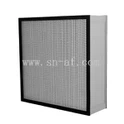
In industrial facilities, there may be sources of ignition nearby, such as welding equipment or electrical panels. In these cases, using a fire - resistant bag filter is essential to prevent a potential fire from spreading. For example, in a pharmaceutical manufacturing plant, where strict fire safety regulations are in place, you might want to consider a HVAC Gel Seal HEPA Filter for Pharmaceutical. These filters not only provide high - efficiency filtration but also offer better fire resistance.
Choosing the Right Filter
When it comes to choosing a bag filter for your HVAC system, fire resistance should be one of your top considerations. Here are some tips to help you make the right choice:
- Assess the Fire Risk: Evaluate the environment where the filter will be installed. If there are potential sources of ignition nearby, opt for a fire - resistant filter.
- Check the Fire Rating: Look for filters that meet the relevant fire safety standards in your region.
- Consider the Material: Glass fiber filters are generally the most fire - resistant option. But if you're on a budget, you can look for filters made from synthetic fibers with flame retardant treatments.
Other Filter Options
Apart from bag filters, there are other types of filters available for HVAC systems. For example, Metal Washable Air Grease Filters are made from metal, which is non - combustible. These filters are a great option if you're looking for a fire - safe alternative. They're also washable, which means you can reuse them, saving you money in the long run.
Another option is the High Capacity Pleated Panel Filter. These filters offer high filtration efficiency and can be made with fire - resistant materials. They're suitable for a wide range of applications, from residential to commercial.
Conclusion
So, are bag filters for HVAC systems resistant to fire? It depends on the materials, treatments, and standards. While some bag filters can be flammable, there are options available that offer excellent fire resistance. Whether you're a homeowner, a business owner, or an HVAC professional, it's crucial to choose a filter that meets your fire safety needs.
If you're in the market for bag filters or any other HVAC filters, don't hesitate to reach out. We're here to help you find the perfect solution for your system. Whether you need a filter with high fire resistance or one that offers the best filtration efficiency, we've got you covered. Let's start a conversation and find the right filter for your needs.
References
- National Fire Protection Association (NFPA) standards
- EN 13501 - 1 standard for fire performance of construction products