What is the pressure drop across a Primary Filter?
As a primary filter supplier, I often encounter questions from customers regarding the pressure drop across primary filters. Understanding this concept is crucial for the efficient operation of any air filtration system. In this blog post, I'll delve into what pressure drop is, its significance, and how it relates to our primary filter products.
Defining Pressure Drop
Pressure drop, also known as differential pressure, is the difference in pressure between two points in a fluid flow system. In the context of a primary filter, it refers to the decrease in air pressure as air passes through the filter media. This reduction in pressure occurs because the filter resists the flow of air. The filter media traps dust, particles, and other contaminants, creating a physical barrier that the air must navigate through. As a result, the air experiences a loss of energy, which is manifested as a drop in pressure.
Significance of Pressure Drop
The pressure drop across a primary filter is a critical parameter for several reasons. Firstly, it directly affects the energy consumption of the air handling system. A higher pressure drop means that the fan or blower has to work harder to push the air through the filter. This increased workload translates into higher energy costs over time. For commercial and industrial applications, where air filtration systems run continuously, even a small increase in pressure drop can lead to significant energy savings or losses.
Secondly, pressure drop is an indicator of the filter's performance and lifespan. As the filter accumulates more dirt and debris, the pressure drop across it increases. A rapidly rising pressure drop may signal that the filter is approaching the end of its service life and needs to be replaced. Monitoring the pressure drop allows facility managers to schedule filter replacements at the optimal time, ensuring consistent air quality and preventing system malfunctions.
Factors Affecting Pressure Drop
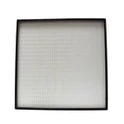
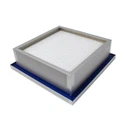
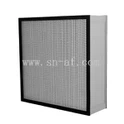
Several factors influence the pressure drop across a primary filter. The type of filter media is one of the most significant factors. Different materials have varying degrees of porosity and resistance to air flow. For example, a Pleat Primary Filter typically has a lower pressure drop compared to a non - pleated filter. The pleating design increases the surface area of the filter media, allowing more air to pass through while maintaining effective filtration.
The air velocity also plays a role in pressure drop. Higher air velocities result in a greater pressure drop because the air has to move more quickly through the filter media, encountering more resistance. Additionally, the density and size distribution of the particles in the air can affect the pressure drop. Larger and denser particles are more likely to clog the filter pores, leading to a faster increase in pressure drop.
Our Primary Filter Products and Pressure Drop
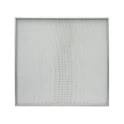
At our company, we offer a range of primary filters designed to minimize pressure drop while providing excellent filtration efficiency. Our Grease Metal Panels Filter is an ideal choice for applications where grease and oil mist need to be removed from the air. The metal panels are designed to capture large particles and grease droplets effectively, with a relatively low pressure drop. This makes it suitable for use in kitchens, food processing plants, and industrial workshops.
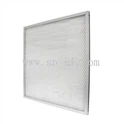
Another popular product is our Synthetic Fiber Panel Pre Air Filter G4. This filter uses synthetic fiber media to trap dust and other contaminants. The G4 rating indicates a high level of filtration efficiency, while the design of the filter ensures a reasonable pressure drop. It can be used as a pre - filter in HVAC systems to protect more expensive and sensitive secondary filters.
Measuring and Monitoring Pressure Drop
To accurately measure the pressure drop across a primary filter, a differential pressure gauge is typically used. This device measures the difference in pressure between the upstream and downstream sides of the filter. Mounting the gauge in a visible and accessible location allows operators to monitor the pressure drop regularly.
In addition to manual monitoring, some advanced air filtration systems are equipped with automated pressure sensors. These sensors can send real - time data to a building management system, enabling remote monitoring and alerts. When the pressure drop reaches a pre - set threshold, the system can notify the maintenance team, ensuring timely filter replacement.
Impact of Pressure Drop on System Performance
A high pressure drop can have a detrimental impact on the overall performance of an air filtration system. It can reduce the air flow rate, leading to inadequate ventilation in the space. This can result in poor air quality, increased humidity, and the accumulation of pollutants. In some cases, a severely clogged filter with a very high pressure drop can cause the fan or blower to overheat, leading to equipment failure and costly repairs.


On the other hand, maintaining an optimal pressure drop ensures that the system operates at peak efficiency. It allows for a consistent air flow rate, which is essential for maintaining a comfortable and healthy indoor environment. By choosing the right primary filter and monitoring the pressure drop, facility managers can extend the lifespan of the entire air filtration system and reduce operating costs.
Conclusion
In conclusion, understanding the pressure drop across a primary filter is essential for anyone involved in air filtration systems. It affects energy consumption, filter performance, and overall system efficiency. As a primary filter supplier, we are committed to providing high - quality filters that offer low pressure drop and excellent filtration efficiency. Our Pleat Primary Filter, Grease Metal Panels Filter, and Synthetic Fiber Panel Pre Air Filter G4 are designed to meet the diverse needs of our customers.
If you are interested in learning more about our primary filter products or have questions about pressure drop and air filtration, we encourage you to contact us for a consultation. Our team of experts is ready to assist you in selecting the right filter for your specific application and ensuring the optimal performance of your air filtration system.
References
- ASHRAE Handbook - HVAC Systems and Equipment. American Society of Heating, Refrigerating and Air - Conditioning Engineers.
- "Fundamentals of Air Filtration" by Klaus Willeke and Paul A. Baron.
- Manufacturer's technical data sheets for primary filters.