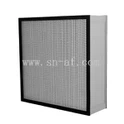
Hey there! As a supplier of high temperature filters, I've seen firsthand the ins and outs of how different factors can impact filter performance. One aspect that often gets overlooked but plays a huge role is filter pleating. So, let's dive into what the effect of filter pleating is on high temperature filter performance.
First off, let's talk about what filter pleating actually is. In simple terms, pleating is the process of folding the filter media into a series of accordion - like folds. This isn't just some random design choice; it's a carefully thought - out engineering solution. When it comes to high temperature filters, the pleating has a direct impact on several key performance metrics.
One of the most significant effects is on the filter's surface area. You see, when you pleat a filter, you're essentially increasing the amount of filter media that can be packed into a given space. Think of it like this: if you have a flat sheet of filter material, it can only capture particles on its two flat sides. But when you pleat it, you create multiple layers and surfaces, multiplying the area available for particle capture.
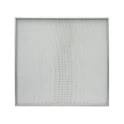
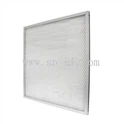
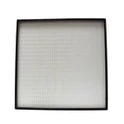
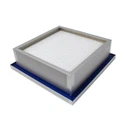
In high temperature environments, where there are often a large number of contaminants floating around, having a larger surface area is crucial. More surface area means more space for particles to adhere to the filter media. This leads to better filtration efficiency. For instance, in industrial furnaces or high - temperature exhaust systems, the air can be filled with dust, ash, and other fine particles. A well - pleated high temperature filter can trap these particles more effectively, ensuring that the air that passes through is cleaner. You can check out our High Temperature HEPA Filter which is designed with optimal pleating for high - efficiency filtration in such harsh conditions.
Another important effect of filter pleating is on the filter's pressure drop. Pressure drop refers to the difference in pressure between the inlet and the outlet of the filter. In an ideal situation, you want a filter that can capture particles without causing too much of a pressure drop. If the pressure drop is too high, it can put a strain on the ventilation system, increasing energy consumption and potentially causing system failures.
The pleating of a high temperature filter can be adjusted to control the pressure drop. By changing the pleat depth, width, and density, we can optimize the flow of air through the filter. For example, a filter with deeper and wider pleats generally allows for better air flow, resulting in a lower pressure drop. On the other hand, a filter with more densely packed pleats may have a higher pressure drop but can offer better filtration efficiency. It's all about finding the right balance for the specific application.
In high temperature applications, maintaining a proper pressure drop is even more critical. High temperatures can cause the air to expand and become less dense, which can affect the flow dynamics through the filter. A well - designed pleating pattern can help compensate for these temperature - related changes, ensuring that the filter performs consistently over a wide range of temperatures.
Filter pleating also has an impact on the filter's lifespan. In high temperature environments, the filter media is subjected to extreme conditions that can cause it to degrade over time. A filter with a good pleating design can distribute the load more evenly across the filter media. When the load is evenly distributed, the filter doesn't wear out as quickly in specific areas. This means that the filter can last longer, reducing the frequency of filter replacements.
For example, in a high - temperature paint - drying oven, the filter has to deal with not only high temperatures but also paint fumes and overspray. A pleated filter that distributes the load evenly can withstand these challenges better, providing reliable filtration for a longer period. This is not only cost - effective for the end - user but also reduces the environmental impact associated with frequent filter disposal.
Now, let's talk about some of the challenges related to filter pleating in high temperature filters. One of the main challenges is ensuring that the pleating process doesn't damage the filter media. High temperature filter media is often made of special materials that can withstand extreme heat, such as ceramic fibers or metal meshes. These materials can be brittle or have specific properties that need to be preserved during the pleating process.
We've spent a lot of time and resources developing advanced pleating techniques that can handle these high - performance materials. Our team uses state - of the - art equipment and quality control measures to ensure that the pleating is done accurately and without causing any damage to the filter media. This way, we can guarantee that our high temperature filters maintain their performance and durability.
Another challenge is dealing with the thermal expansion of the filter media. In high temperature environments, the filter media will expand as it heats up. If the pleating isn't designed to accommodate this expansion, it can cause the filter to deform or lose its structural integrity. To address this, we design our pleats with enough flexibility to allow for thermal expansion. This ensures that the filter remains effective even as the temperature fluctuates.


In conclusion, filter pleating has a profound effect on high temperature filter performance. It impacts the filter's surface area, pressure drop, lifespan, and ability to withstand the challenges of high temperature environments. At our company, we understand the importance of getting the pleating right. We're constantly researching and developing new pleating techniques to improve the performance of our high temperature filters.
If you're in the market for high temperature filters and want to learn more about how our pleated filters can meet your specific needs, we'd love to hear from you. Whether you're dealing with industrial processes, high - temperature ventilation systems, or any other application, we can provide you with the right filter solution. Reach out to us for a consultation and let's start a conversation about how we can help you achieve optimal filtration performance.
References
- "High Temperature Filtration Handbook", John Wiley & Sons
- "Advanced Filtration Technologies for Extreme Environments", Springer Publishing