In the realm of industrial operations, the significance of filtration cannot be overstated. Industrial filters play a pivotal role in maintaining the efficiency, safety, and longevity of various processes by removing contaminants from fluids or gases. When it comes to industrial filters, two broad categories often come into play: coarse filters and fine filters. As an established industrial filter supplier, I've witnessed firsthand the diverse applications and unique characteristics of these two types of filters. In this blog post, I'll delve into the differences between coarse and fine industrial filters, exploring their structures, functions, applications, and more.
Structural Differences
One of the most apparent differences between coarse and fine industrial filters lies in their physical structures. Coarse filters typically have larger pores or openings compared to fine filters. These larger pores allow for the passage of relatively larger particles, while still capturing and retaining contaminants that could potentially cause damage to equipment or affect the quality of the final product. Coarse filters are often made from materials such as woven wire mesh, perforated metal sheets, or synthetic fibers with a relatively loose weave.
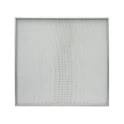
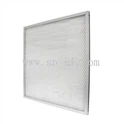
On the other hand, fine filters are designed with much smaller pores or openings. This enables them to capture and remove extremely small particles, including dust, pollen, bacteria, and even some viruses. Fine filters are commonly made from materials such as high - efficiency particulate air (HEPA) media, activated carbon, or other specialized filter media with a tight structure. For example, our Customized Aluminum HEPA Filter is crafted with precision to ensure the finest filtration, using advanced HEPA media that can trap particles as small as 0.3 microns with a high efficiency rate.
Filtration Efficiency
Filtration efficiency is a key metric when comparing coarse and fine industrial filters. Coarse filters are primarily used for pre - filtration. They are designed to remove large particles quickly and prevent them from overwhelming the more delicate fine filters downstream. The efficiency of a coarse filter is typically measured in terms of its ability to capture particles of a certain size range, usually starting from around 10 to 100 microns. While they may not be as effective at removing very small particles, their high flow rate and ability to handle large volumes of contaminants make them essential in many industrial processes.
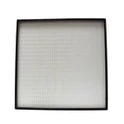
Fine filters, on the other hand, are engineered for high - precision filtration. Their efficiency is often expressed as a percentage of particles removed at a specific size. For instance, a HEPA filter is required to remove at least 99.97% of particles that are 0.3 microns in diameter. Fine filters are crucial in applications where air or fluid purity is of the utmost importance, such as in cleanrooms, pharmaceutical manufacturing, and semiconductor production. Our Gel Seal HEPA Filter for Top Tank is an excellent example of a fine filter that offers exceptional filtration efficiency, ensuring that the air or fluid in the top tank remains free from even the tiniest contaminants.
Pressure Drop
Pressure drop is another important factor to consider when choosing between coarse and fine industrial filters. Pressure drop refers to the decrease in pressure that occurs as a fluid or gas passes through a filter. Coarse filters generally have a lower pressure drop because of their larger pores. This means that they allow fluids or gases to flow through them more easily, resulting in less energy consumption for the system. As a result, coarse filters are often used in applications where maintaining a high flow rate is critical, such as in large - scale ventilation systems or water intake systems.
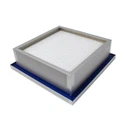
Fine filters, however, tend to have a higher pressure drop due to their smaller pores. The resistance to flow caused by the fine filter media requires more energy to push the fluid or gas through the filter. This can lead to increased operating costs, especially in systems with high - volume flow requirements. To mitigate this issue, some fine filters, like our V Extended Surface Mini - Pleat Filter, are designed with an extended surface area. The V - shaped design increases the filter media surface area, allowing for a greater flow of fluid or gas while keeping the pressure drop within acceptable limits.
Applications
The applications of coarse and fine industrial filters vary widely based on their characteristics. Coarse filters are commonly used in industries such as mining, construction, and power generation. In mining operations, coarse filters are used to remove large particles of dirt, rock, and debris from water used in the extraction process. In construction, they are used in ventilation systems to prevent large dust particles from entering the building. In power generation plants, coarse filters are used in cooling water systems to protect pumps and heat exchangers from damage caused by large contaminants.
Fine filters, on the other hand, find their applications in industries where strict purity standards are required. In the pharmaceutical industry, fine filters are used to ensure the sterility of air and liquids during the manufacturing process. In the food and beverage industry, they are used to remove microorganisms and other contaminants from products. In the electronics industry, fine filters are essential for maintaining the cleanliness of cleanrooms where sensitive electronic components are manufactured.
Maintenance and Lifespan
Maintenance requirements and lifespan also differ between coarse and fine industrial filters. Coarse filters are generally easier to maintain. Since they capture larger particles, they can often be cleaned and reused multiple times. Depending on the application, coarse filters can be cleaned by methods such as backwashing, shaking, or using compressed air. Their lifespan is relatively long, especially when used in conjunction with proper pre - filtration systems.
Fine filters, however, are more delicate and require more frequent replacement. The small pores of fine filters can become clogged quickly with small particles, reducing their filtration efficiency and increasing the pressure drop. In some critical applications, fine filters may need to be replaced on a regular schedule to ensure consistent performance. Additionally, the replacement process for fine filters often requires more care to avoid damaging the filter media.
Cost Considerations
Cost is an important aspect when choosing between coarse and fine industrial filters. Coarse filters are generally less expensive to purchase and install. Their simple structure and the use of relatively inexpensive materials contribute to their lower cost. However, it's important to consider the long - term cost, including maintenance and energy consumption. While the initial investment in a coarse filter may be low, the cost of operating a system with a high - pressure drop over time can add up.
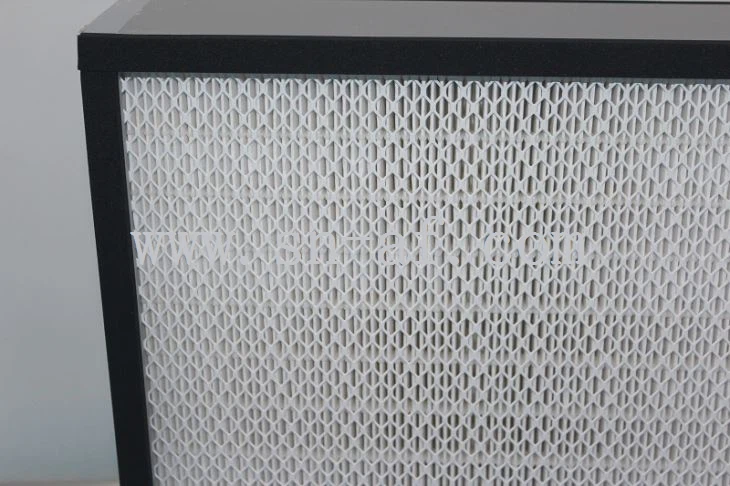

Fine filters, on the other hand, are more expensive upfront. The cost of the specialized filter media and the precision manufacturing processes contribute to their higher price. However, in applications where high - quality filtration is essential, the cost of using a fine filter is often justified by the improved product quality, reduced equipment downtime, and compliance with industry regulations.
In conclusion, both coarse and fine industrial filters have their unique roles in industrial filtration. As an industrial filter supplier, we understand the importance of providing the right filter for the right application. Whether you need a coarse filter for pre - filtration or a fine filter for high - precision purification, we have a wide range of products to meet your needs. If you're looking for high - quality industrial filters and need expert advice on which type of filter is best for your specific application, we're here to help. Contact us to start a discussion about your filtration requirements and explore how our products can enhance the efficiency and performance of your industrial processes.
References
- "Industrial Filtration Handbook" by Pieter Van der Meer
- "Filtration and Separation Technology" by David Wakeman
- Industry reports on industrial filtration from leading research firms.