Hey there! As a supplier of high temperature filters, I've seen firsthand how crucial proper sealing is for these filters. In this blog, I'm gonna share some tips on how to ensure the proper sealing of high temperature filters.
Understanding the Importance of Sealing
First off, let's talk about why sealing is such a big deal. High temperature filters are used in all sorts of industrial applications where they need to handle extreme heat and often, harsh chemicals or particulate matter. A poor seal can lead to a whole bunch of problems. For starters, it can allow unfiltered air or contaminants to bypass the filter, which defeats the whole purpose of having a filter in the first place. This can lead to equipment damage, reduced efficiency, and even pose a risk to the health and safety of workers.
Secondly, a leaky seal can cause energy losses. When hot air or gases escape through a faulty seal, the system has to work harder to maintain the desired temperature and pressure, which means higher energy costs. So, getting that seal right is not just about filtration; it's also about saving money and keeping everything running smoothly.
Choosing the Right Sealing Material
One of the most important steps in ensuring proper sealing is choosing the right sealing material. You can't just use any old rubber gasket or sealant when you're dealing with high temperatures. The material needs to be able to withstand the heat without degrading, melting, or losing its elasticity.
Some common materials used for high temperature seals include silicone rubber, fluorocarbon rubber (Viton), and ceramic fiber. Silicone rubber is a popular choice because it can handle temperatures up to around 200 - 300°C (392 - 572°F) and has good flexibility and chemical resistance. Viton is even more heat - resistant, withstanding temperatures up to about 250 - 300°C (482 - 572°F), and it's also highly resistant to chemicals and oils. Ceramic fiber seals are great for extremely high temperatures, often up to 1000°C (1832°F) or more, and they're also very good at insulating.
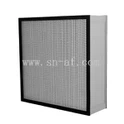
When you're choosing a sealing material, make sure to consider the specific temperature range, chemical environment, and pressure conditions of your application. You might also want to look into High Temperature HEPA Filter which often require precise sealing to maintain their high - efficiency filtration.
Proper Installation Techniques
Even the best sealing material won't do much good if it's not installed correctly. Here are some key installation tips:
- Clean the Surfaces: Before installing the seal, make sure the mating surfaces are clean and free of any dirt, grease, or debris. A dirty surface can prevent the seal from making a proper contact, leading to leaks. You can use a suitable solvent or cleaning agent to clean the surfaces, but make sure it's compatible with the sealing material.
- Use the Right Tools: Use the appropriate tools for installing the seal. For example, if you're using a gasket, make sure you have the right size and type of bolts or clamps to secure it properly. Tighten the fasteners evenly to avoid uneven pressure on the seal, which can cause it to deform and leak.
- Follow the Manufacturer's Instructions: Every sealing material and filter has its own set of installation instructions. Make sure you read and follow them carefully. This might include information on the recommended torque for bolts, the proper way to apply sealant, or the correct orientation of the seal.
Regular Inspection and Maintenance
Sealing is not a one - time thing. You need to regularly inspect and maintain the seals to ensure they're still working properly.
- Visual Inspections: Periodically check the seals for any signs of wear, damage, or degradation. Look for cracks, tears, or signs of melting. If you notice any issues, replace the seal as soon as possible.
- Pressure Testing: You can also perform pressure tests to check for leaks. This involves applying a known pressure to the system and monitoring for any pressure drops. If there's a significant pressure drop, it could indicate a leak in the seal.
- Seal Replacement: Over time, even the best seals will wear out. Have a schedule for replacing the seals based on the manufacturer's recommendations or your own experience with the application.
Training and Education
Another important aspect of ensuring proper sealing is training your staff. Make sure they understand the importance of sealing, how to choose the right materials, and how to install and maintain the seals correctly.
You can provide on - the - job training, workshops, or even online courses. By having well - trained staff, you can reduce the risk of installation errors and ensure that the high temperature filters are sealed properly every time.
Working with a Reputable Supplier
As a high temperature filter supplier, I know how important it is to work with a reliable partner. When you're sourcing your filters and sealing materials, look for a supplier that has a good reputation for quality and customer service.
A reputable supplier can help you choose the right products for your application, provide technical support, and offer advice on installation and maintenance. They can also ensure that the products they supply meet the necessary industry standards and regulations.


Conclusion
Ensuring the proper sealing of high temperature filters is essential for the performance, efficiency, and safety of your industrial systems. By choosing the right sealing material, using proper installation techniques, performing regular inspections and maintenance, training your staff, and working with a reputable supplier, you can minimize the risk of leaks and keep your filters working at their best.
If you're in the market for high temperature filters or need more information on sealing solutions, don't hesitate to reach out. We're here to help you find the best products and solutions for your specific needs. Let's start a conversation and see how we can work together to ensure the proper sealing of your high temperature filters.
References
- ASHRAE Handbook - HVAC Systems and Equipment
- Industrial Filtration Handbook
- Manufacturer's technical data sheets for high temperature sealing materials and filters