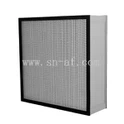
Hey there! As a primary filter supplier, I'm super excited to chat about how these nifty little things can really shake up the performance of a device. You might not think much about filters, but they're like the unsung heroes of many systems. Let's dive in and explore the impact they have.
First off, what exactly is a primary filter? Well, it's the first line of defense in a filtration system. Its job is to catch the big stuff - dust, dirt, and other large particles - before they can get deeper into a device and cause problems. Think of it as a bouncer at a club, keeping the riff - raff out.
Airflow and Efficiency
One of the most significant ways a primary filter affects device performance is through airflow. When a filter is clean, air can flow through it easily. This means that the device, like an air - handling unit or a ventilation system, doesn't have to work as hard to move air around. For example, in a big office building's HVAC system, a clean primary filter allows the fans to push air through the ducts with minimal resistance.
But here's the catch. Over time, as the filter traps more and more particles, it starts to get clogged. A clogged filter restricts airflow, making the device work harder. The fans have to use more energy to move the same amount of air, which leads to increased energy consumption. This not only costs more money in the long run but also puts more wear and tear on the device. For instance, if you're running an industrial air compressor with a clogged primary filter, it'll have to work overtime, potentially leading to a shorter lifespan.
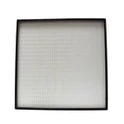
That's where choosing the right primary filter comes in. We offer a range of options, like the Pocket Primary Filter. These filters have a large surface area, which means they can capture more particles before getting clogged. This allows for better airflow for a longer period, improving the overall efficiency of the device.
Contaminant Removal
The main function of a primary filter is to remove contaminants from the air or fluid passing through it. In a manufacturing plant, for example, a primary filter in the ventilation system can prevent dust and debris from settling on sensitive equipment. This is crucial because even a small amount of dirt can cause malfunctions in high - precision machinery.
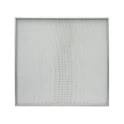
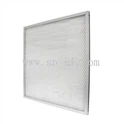
Let's say you have a printing press. If dust particles get into the press, they can jam the moving parts or cause smudges on the prints. A good primary filter, like the Synthetic Fiber Flat Panel Filter, can effectively trap these particles, ensuring that the printing process runs smoothly.
In a healthcare setting, primary filters in the air - purification systems are even more critical. They help remove harmful bacteria, viruses, and allergens from the air, protecting patients and medical staff. A well - functioning filter can reduce the risk of airborne infections, which is a huge deal, especially in places like operating rooms.
Longevity of the Device
By removing contaminants and maintaining proper airflow, a primary filter can significantly extend the lifespan of a device. Take a car engine, for example. The primary air filter stops dirt and dust from entering the engine cylinders. If dirt gets in, it can cause premature wear and tear on the piston rings, valves, and other engine components. This can lead to costly repairs or even engine failure.
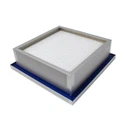
In the same vein, in an air - conditioning unit, a clean primary filter prevents dirt from building up on the coils. Dirty coils reduce the unit's cooling efficiency and can cause the compressor to overheat, leading to a breakdown. Regularly replacing the primary filter, such as the V - form Extended Surface Panel Filter, can keep these issues at bay and ensure that the air - conditioning unit runs smoothly for years to come.
Impact on Maintenance Costs
Another important aspect is the impact on maintenance costs. When a primary filter is working effectively, it reduces the frequency and complexity of maintenance. A device with a clogged filter may need more frequent servicing, including component replacements and in - depth cleaning.
For example, in a commercial kitchen, the ventilation system's primary filter catches grease and food particles. If the filter isn't changed regularly, the grease can build up in the ducts, posing a fire hazard and requiring expensive cleaning. By using a high - quality primary filter and changing it at the recommended intervals, you can avoid these costly maintenance issues.
How to Choose the Right Primary Filter
Choosing the right primary filter depends on several factors. First, consider the type of contaminants you need to remove. If you're dealing with large dust particles in a construction site, a simpler filter might be sufficient. But if you're in a cleanroom environment, you'll need a more advanced filter with a high level of filtration efficiency.
The airflow requirements of the device are also crucial. The filter should be able to handle the volume of air or fluid passing through it without causing excessive resistance. You can consult the device's manual or a professional to determine the appropriate filter size and airflow capacity.
And of course, the quality of the filter matters. Our primary filters are made from high - quality materials that are durable and effective at trapping contaminants. We offer a variety of options to suit different needs and budgets, so you can find the perfect filter for your device.
Conclusion
So, to sum it all up, a primary filter plays a vital role in the performance of a device. It affects airflow, efficiency, contaminant removal, longevity, and maintenance costs. By choosing the right filter, like our Pocket Primary Filter, V - form Extended Surface Panel Filter, or Synthetic Fiber Flat Panel Filter, you can ensure that your device runs smoothly and efficiently for a long time.
If you're interested in learning more about our primary filters or have any questions about which one is right for your device, don't hesitate to reach out. We're here to help you make the best choice for your filtration needs. Let's work together to keep your devices in top - notch condition!


References
- ASHRAE Handbook - HVAC Systems and Equipment.
- ISO 16890:2016, Air filters - Determination of filtration performance.
- Manufacturer's guides for various devices and filtration systems.