Hey there! As a supplier of Pleat Primary Filters, I often get asked whether these filters can be used in a ventilation system. Well, let's dive right into it and find out.
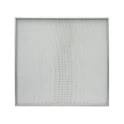
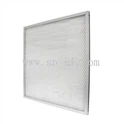
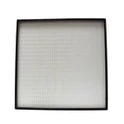
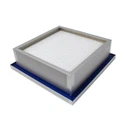
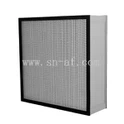
First off, let's understand what a Pleat Primary Filter is. A Pleat Primary Filter is designed to be the first line of defense in an air - filtration system. It's made with pleated media, which increases the surface area available for capturing particles. This pleating design allows the filter to trap more dust, dirt, and other airborne contaminants compared to a flat filter of the same size.


Now, can it be used in a ventilation system? The answer is a resounding yes! Ventilation systems are crucial for maintaining good indoor air quality. They bring in fresh air from the outside, remove stale air, and help control humidity levels. But the outside air isn't always clean. It contains all sorts of pollutants like pollen, dust, and even some small insects. That's where the Pleat Primary Filter comes in.
When installed in a ventilation system, the Pleat Primary Filter acts as a pre - filter. It catches the larger particles before they can reach the more expensive and sensitive secondary filters in the system. This not only protects the downstream filters but also extends their lifespan. For example, if you have a high - efficiency particulate air (HEPA) filter further down the line, having a Pleat Primary Filter in front of it will prevent it from getting clogged up too quickly with large particles.
Another advantage of using a Pleat Primary Filter in a ventilation system is its relatively low cost. Compared to some of the high - end filters used in ventilation, Pleat Primary Filters are quite affordable. This makes them a great option for both small - scale and large - scale ventilation setups. You can easily replace them when they get dirty without breaking the bank.
Let's talk about the types of environments where Pleat Primary Filters in ventilation systems really shine. In commercial buildings like offices, shopping malls, and hospitals, ventilation is essential. In offices, employees spend long hours indoors, and good air quality can improve productivity and reduce the spread of diseases. A Pleat Primary Filter can help remove dust and other allergens from the incoming air, creating a healthier work environment.
In hospitals, the stakes are even higher. The air needs to be as clean as possible to prevent the spread of infections. A Pleat Primary Filter can capture a significant amount of bacteria - carrying particles, reducing the risk of cross - contamination.
In industrial settings, ventilation systems are used to remove fumes, dust, and other hazardous substances. Pleat Primary Filters can be customized to handle different types of pollutants. For example, if a factory deals with metal dust, the filter can be designed to be more effective at capturing metallic particles.
Now, you might be wondering how a Pleat Primary Filter compares to other types of primary filters. One common alternative is the Pocket Primary Filter. Pocket Primary Filters also have a large surface area, but they are constructed differently. They have pockets that increase the filter's capacity. However, Pleat Primary Filters are generally more rigid and can withstand higher air velocities.
Another option is the Synthetic Fiber Flat Panel Filter. These filters are flat and made of synthetic fibers. While they are simple and inexpensive, they don't have the same dust - holding capacity as Pleat Primary Filters. The pleating design of Pleat Primary Filters gives them an edge in terms of capturing more particles over time.
When it comes to installation, Pleat Primary Filters are relatively easy to install in a ventilation system. Most ventilation systems have standard filter racks or frames where the filter can be easily slotted in. However, it's important to make sure that the filter is the right size and type for your specific ventilation system. If you're not sure, it's always a good idea to consult with a professional.
Maintenance of Pleat Primary Filters is also straightforward. You simply need to check the filter regularly for dirt and debris. When it looks dirty, you can either clean it (if it's a washable filter) or replace it. The frequency of replacement depends on the environment and the amount of air passing through the system. In a dusty environment, you might need to replace the filter more often.
In conclusion, Pleat Primary Filters are an excellent choice for ventilation systems. They offer a cost - effective way to improve indoor air quality, protect downstream filters, and are suitable for a wide range of environments. If you're in the market for a primary filter for your ventilation system, I highly recommend considering a Pleat Primary Filter.
If you're interested in learning more about our Pleat Primary Filters or have any questions about how they can be used in your ventilation system, don't hesitate to reach out. We're here to help you make the best choice for your air - filtration needs. Whether you're a small business owner looking to improve the air quality in your office or a large industrial facility manager in need of a reliable filtration solution, we've got you covered.
References
ASHRAE (American Society of Heating, Refrigerating and Air - Conditioning Engineers). "Ventilation for Acceptable Indoor Air Quality."
Filter Manufacturers Council. "Guidelines for Air Filter Selection and Maintenance."