Volatile organic compounds (VOCs) are a group of chemicals that easily evaporate at room temperature and can have adverse effects on indoor air quality and human health. In HVAC (Heating, Ventilation, and Air Conditioning) systems, the presence of VOCs can be a significant concern. As a supplier of bag filters for HVAC systems, I often get asked whether our bag filters can effectively remove VOCs from an HVAC system. In this blog post, I will explore this question in detail.
Understanding VOCs in HVAC Systems
VOCs can enter an HVAC system from various sources. Common indoor sources include paints, adhesives, cleaning products, and furniture. Outdoor sources such as vehicle exhaust and industrial emissions can also be drawn into the building through the HVAC intake. Once inside the HVAC system, VOCs can circulate throughout the building, leading to potential health issues such as headaches, eye irritation, and respiratory problems. Prolonged exposure to high levels of certain VOCs may even increase the risk of cancer.
How Bag Filters Work
Bag filters are a common type of air filter used in HVAC systems. They are typically made of a fibrous material, such as polyester or fiberglass, which is pleated and formed into a bag shape. The main function of a bag filter is to capture particulate matter, such as dust, pollen, and mold spores, from the air flowing through the HVAC system. The fibrous media creates a maze-like structure that traps particles as the air passes through.
The efficiency of a bag filter is often measured by its Minimum Efficiency Reporting Value (MERV). A higher MERV rating indicates a greater ability to capture smaller particles. Bag filters with MERV ratings ranging from 6 to 16 are commonly used in HVAC systems, with higher MERV filters being more effective at removing fine particles.
Limitations of Bag Filters in Removing VOCs
While bag filters are excellent at capturing particulate matter, they have significant limitations when it comes to removing VOCs. The reason is that VOCs are in a gaseous state, not particulate. The fibrous media in bag filters is designed to physically trap solid or liquid particles, not to adsorb or react with gaseous molecules.
VOCs are made up of small, volatile molecules that can easily pass through the pores of the bag filter media. Unlike particulate matter, which can be physically blocked by the filter fibers, VOCs do not adhere to the filter material in the same way. Therefore, a standard bag filter is not an effective solution for removing VOCs from an HVAC system.
Alternative Solutions for VOC Removal
If you are concerned about VOCs in your HVAC system, there are several alternative solutions available.
Activated Carbon Filters
Activated carbon is a highly porous material that has a large surface area. It works by adsorbing gaseous molecules onto its surface. When air containing VOCs passes through an activated carbon filter, the VOC molecules are attracted to the carbon surface and become trapped. Activated carbon filters can be installed in an HVAC system in addition to bag filters to specifically target VOC removal.
There are different types of activated carbon filters, including granular activated carbon filters and carbon-impregnated filters. Granular activated carbon filters consist of loose carbon granules packed into a filter frame, while carbon-impregnated filters have carbon particles embedded in a fibrous or foam media.
Photocatalytic Oxidation (PCO)
Photocatalytic oxidation is a technology that uses a catalyst, usually titanium dioxide, and ultraviolet light to break down VOCs into harmless byproducts such as carbon dioxide and water. In a PCO system, air containing VOCs passes through a chamber where it is exposed to the photocatalyst and UV light. The chemical reaction initiated by the UV light on the catalyst surface oxidizes the VOC molecules, effectively removing them from the air.
Ozone Generators
Ozone generators produce ozone, a highly reactive gas, which can react with and break down VOCs. However, ozone is also a pollutant and can be harmful to human health at high concentrations. Therefore, the use of ozone generators in occupied spaces is strictly regulated, and they should only be used in unoccupied areas and under careful control.
Our Product Offerings and VOC Considerations
As a supplier of bag filters for HVAC systems, we understand the importance of addressing the issue of VOCs in indoor air quality. While our bag filters are not designed to remove VOCs, we offer a range of complementary products that can help.


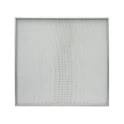
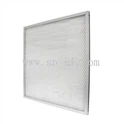
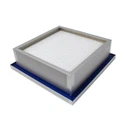
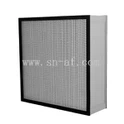
We recommend considering our Gel Seal HEPA Filter for Side Tank in combination with an activated carbon filter for enhanced air purification. HEPA (High-Efficiency Particulate Air) filters are highly effective at capturing particulate matter, including very fine particles. When used in conjunction with an activated carbon filter, they can provide comprehensive protection against both particulate and gaseous pollutants.
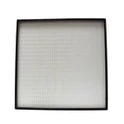
Our Cleanroom V Type High Efficiency Air Filter is another option for applications where high levels of air cleanliness are required. This filter is designed to provide superior particulate removal efficiency and can be used in cleanrooms, hospitals, and other sensitive environments.
For applications where a more specialized solution is needed, our Fiberglass Media Gel Seal HEPA Air Filters offer excellent performance in capturing fine particles. These filters can be paired with VOC removal technologies to create a more complete air purification system.
Conclusion and Call to Action
In conclusion, while bag filters are an essential component of an HVAC system for removing particulate matter, they are not effective at removing VOCs. To address the issue of VOCs in your HVAC system, it is necessary to consider alternative solutions, such as activated carbon filters, PCO systems, or ozone generators.
As a leading supplier of bag filters and related air purification products for HVAC systems, we are committed to helping you achieve the best indoor air quality. If you have any questions about our products or need advice on the most suitable air purification solution for your specific application, please do not hesitate to contact us. We are here to assist you in making informed decisions and ensuring that your HVAC system operates efficiently and effectively.
References
- American Society of Heating, Refrigerating and Air-Conditioning Engineers (ASHRAE). (2019). ASHRAE Handbook - HVAC Systems and Equipment.
- Environmental Protection Agency (EPA). (2020). Indoor Air Quality: Volatile Organic Compounds.
- Siegel, J. A., & Sextro, R. G. (2006). Indoor air quality engineering: Environmental health and control of indoor pollutants. Wiley.