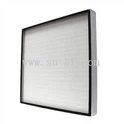
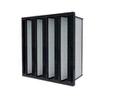
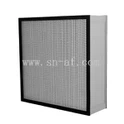
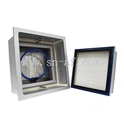
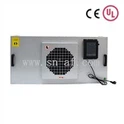
HEPA (High Efficiency Particulate Air) filters are effective at removing certain components of smoke, but they have limitations when it comes to addressing all aspects of smoke. Here's what you need to know:
Particulate Matter: HEPA filters are highly efficient at capturing solid particles suspended in the air, including those found in smoke. This includes particles such as dust, soot, and some fine ash particles. HEPA filters can significantly reduce the visible particulate matter in smoke, which can help improve indoor air quality during and after a fire or when dealing with cigarette smoke.
Gases and Odors: HEPA filters, however, are not designed to remove gases, odors, or volatile organic compounds (VOCs) commonly found in smoke. Smoke contains a mixture of gaseous chemicals, including carbon monoxide, volatile organic compounds, and other harmful substances. HEPA filters do not have the capability to adsorb or chemically remove these gases, so they may still be present in the air even after particulate matter is removed.
Combination Filtration: To effectively address both particulate matter and gases/odors in smoke, some air purifiers combine HEPA filtration with additional technologies, such as activated carbon filters. Activated carbon filters are excellent at adsorbing gases, odors, and VOCs, making them a more comprehensive solution for smoke removal.
Smoke Intensity: The effectiveness of a HEPA filter in removing smoke particles can also depend on the intensity and concentration of the smoke. In situations with heavy smoke, it may overwhelm the capacity of a HEPA filter, and more specialized smoke removal equipment may be required.
In summary, while HEPA filters can be helpful in reducing the particulate matter in smoke, they do not address the gases and odors associated with smoke. To effectively address smoke-related indoor air quality issues, especially in cases of heavy or persistent smoke, consider using an air purifier equipped with a HEPA filter in combination with activated carbon or other gas-absorbing filtration technologies. Additionally, proper ventilation and, if applicable, following local guidelines during smoky conditions are important for maintaining indoor air quality.