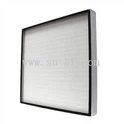
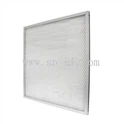
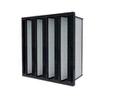
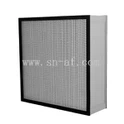
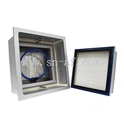
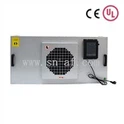
HEPA (High Efficiency Particulate Air) filters are not designed to be washed. Washing a HEPA filter can damage its structure and compromise its filtering capabilities. HEPA filters are composed of densely packed fibers or media that are designed to trap and retain particles, including dust, allergens, and microorganisms.
Washing a HEPA filter can lead to several issues:
1.Structural Damage: The water and moisture from washing can cause the fibers in the filter to become misshapen, torn, or weakened. This can reduce the filter's effectiveness in capturing particles.
2.Decreased Filtration Efficiency: Washing can remove the fine particles and contaminants that have been trapped within the filter. Once these particles are washed away, the filter may no longer provide the same level of filtration efficiency.
3.Mold and Mildew Growth: When HEPA filters become wet, there is a risk of mold and mildew growth within the filter material. This can lead to air quality issues and health concerns.
4.Loss of Certification: Washing a HEPA filter can void any certifications it may have, as it may no longer meet the required filtration standards.
Instead of washing, the recommended method for maintaining a HEPA filter's performance is to follow the manufacturer's guidelines for filter replacement. Typically, HEPA filters should be replaced according to the manufacturer's recommended schedule or when they show signs of visible damage or reduced effectiveness.
Some air purifiers or vacuum cleaners may have pre-filters or other washable components that can be cleaned, but the HEPA filter itself should not be washed. Always refer to the manufacturer's instructions for proper maintenance of your specific device.